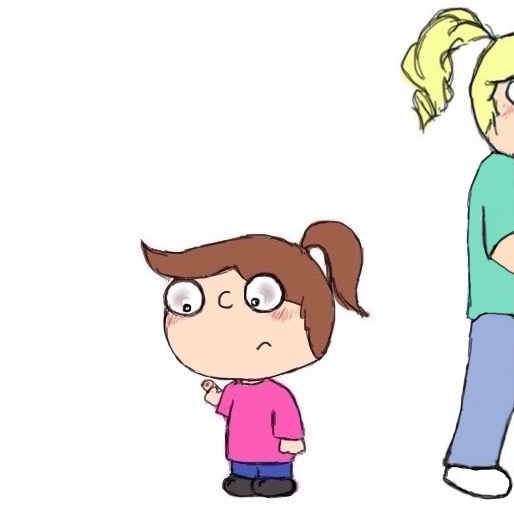
There are many ways for a young woman to learn about traditional masculinity.
She can read books.
She can study sociology.
She can thoughtfully examine gender roles across cultures and historical periods.
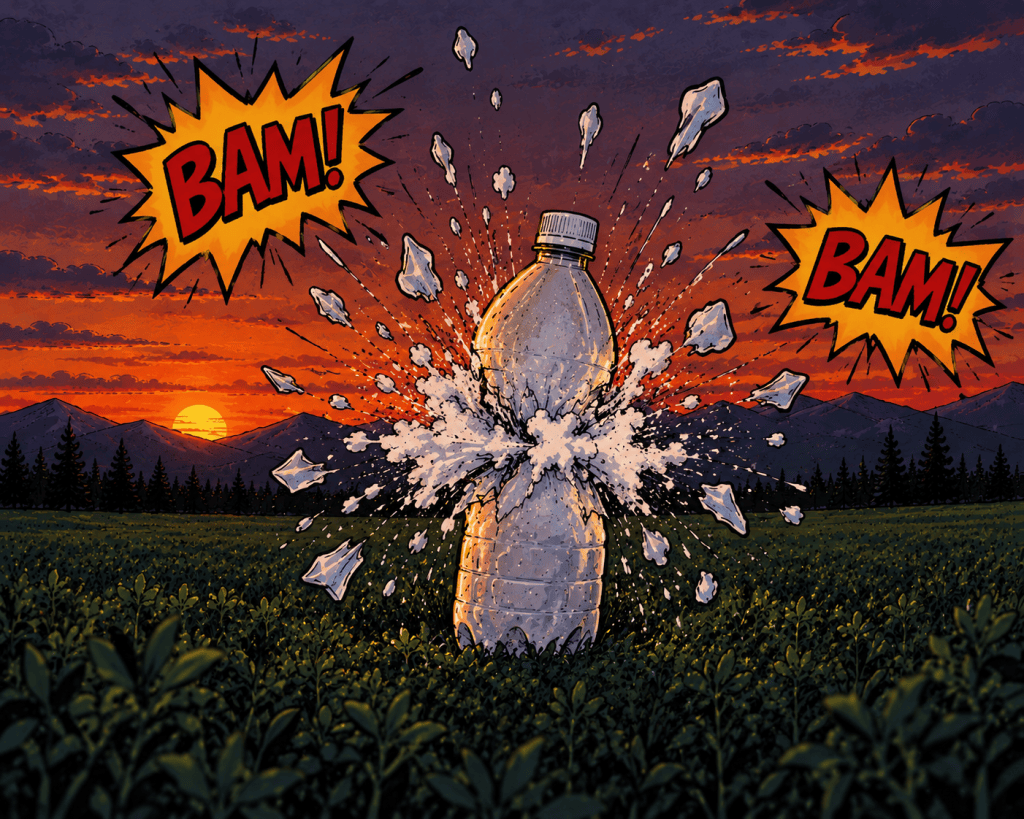
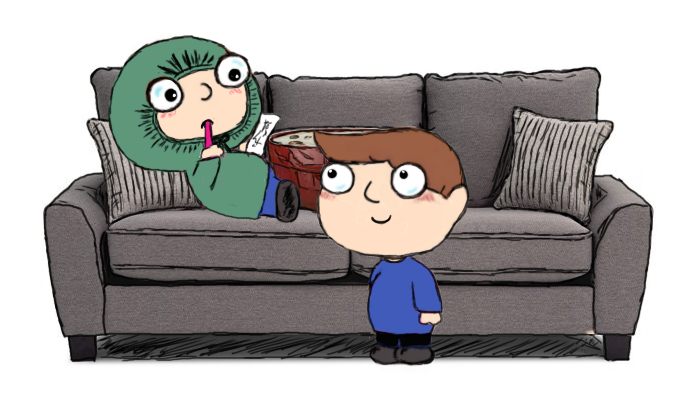
Or she can follow her older brother into an alfalfa field at midnight while a group of teenage boys detonate a series of homemade dry-ice bombs.
I chose the alfalfa field.
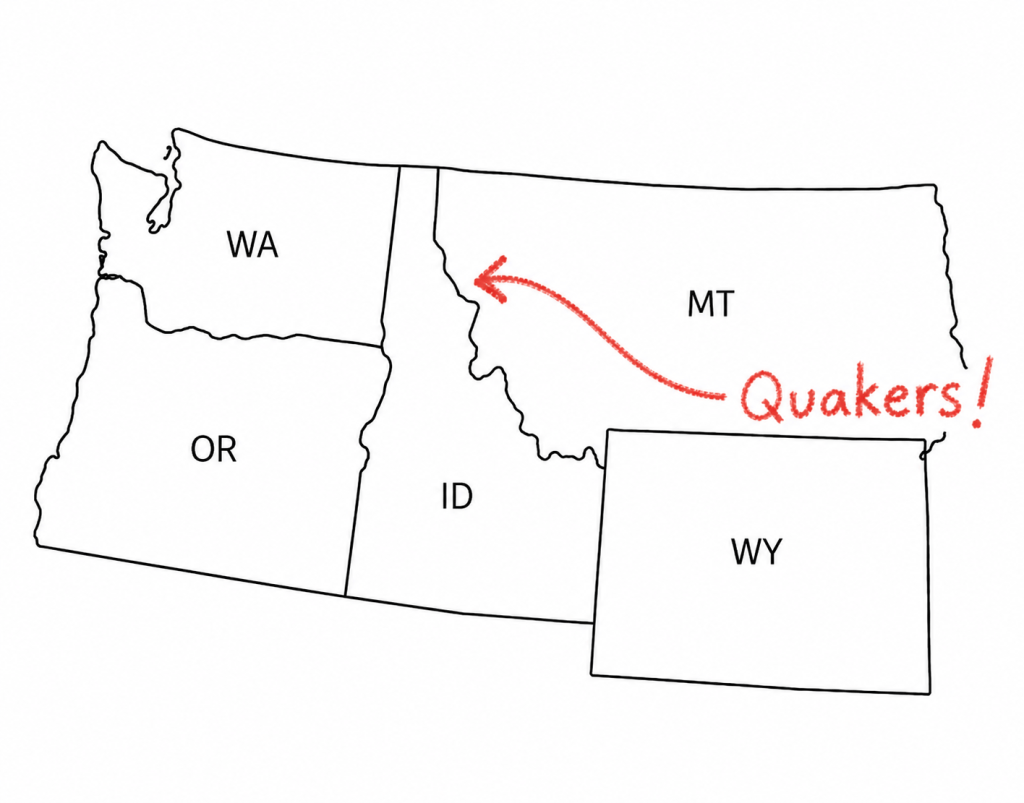
This was North Idaho in the early 2000s, which was a very particular place to be a teen.
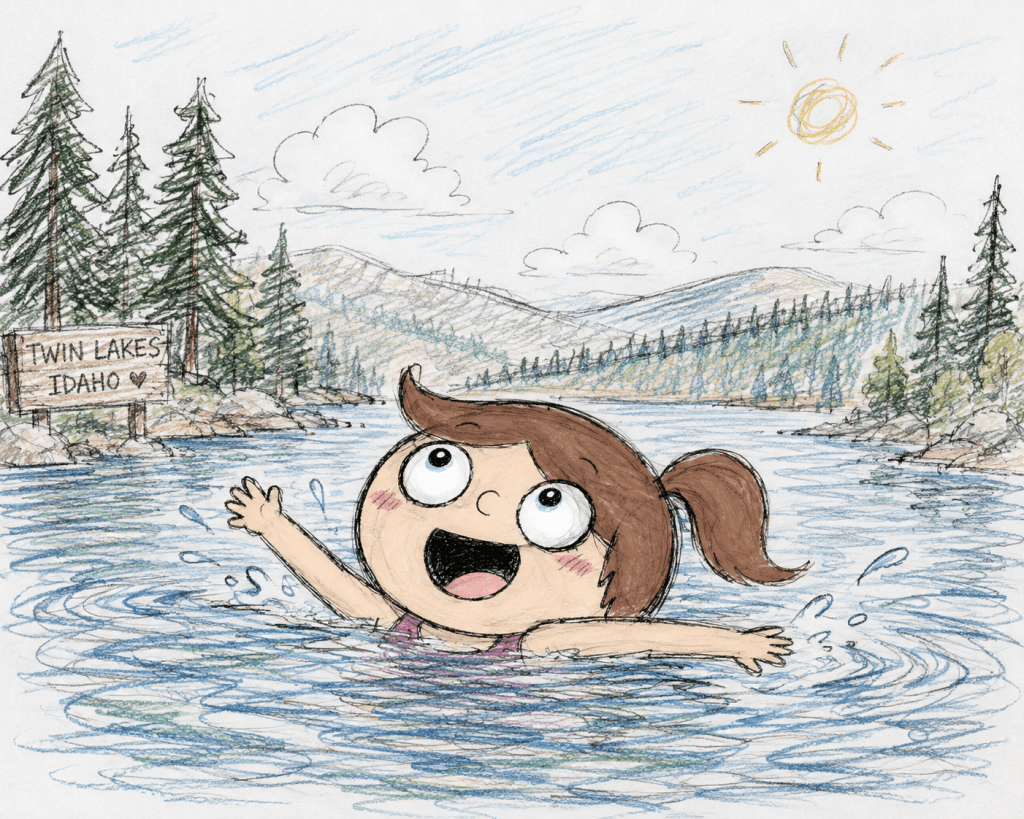
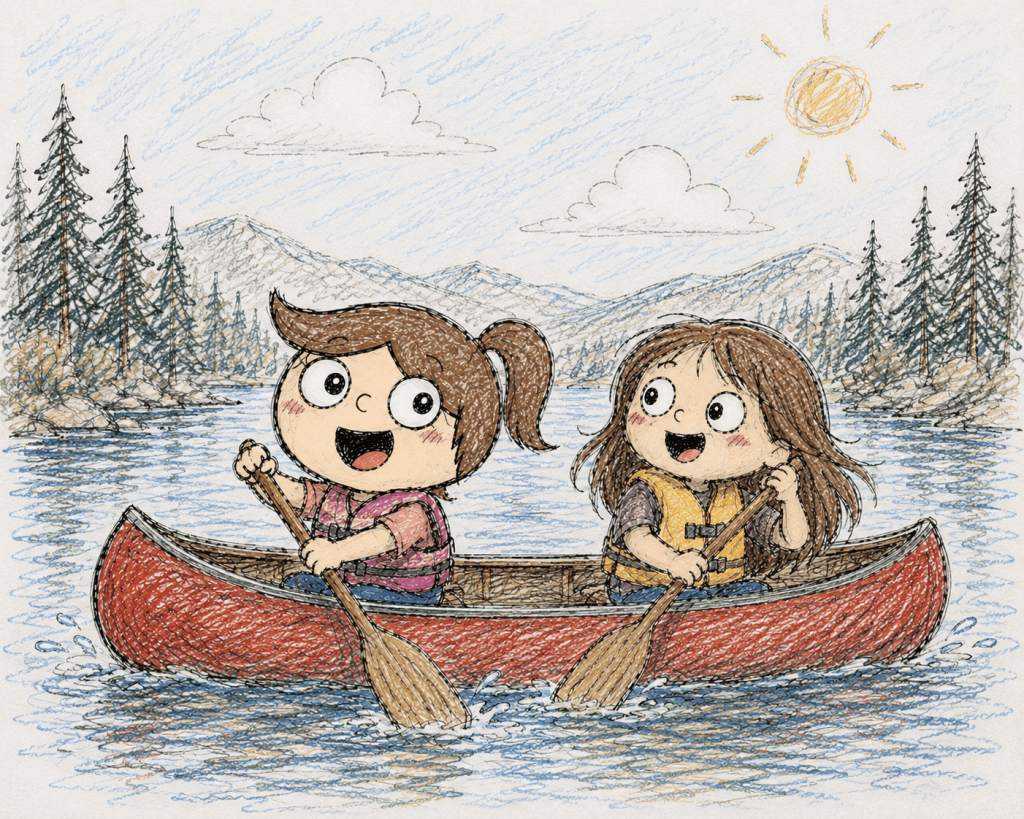
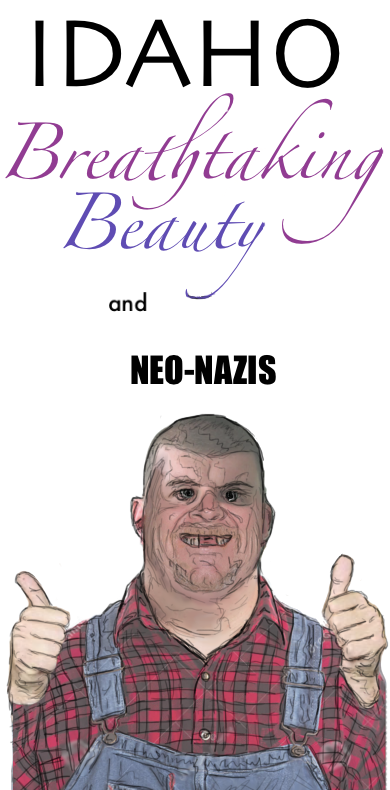
North Idaho was breathtakingly beautiful. Mountains. Lakes. Pine trees. Wildlife. Rugged individualism. Deep spirituality.
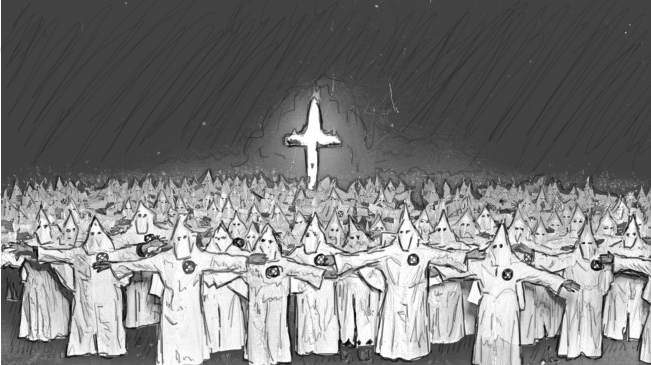
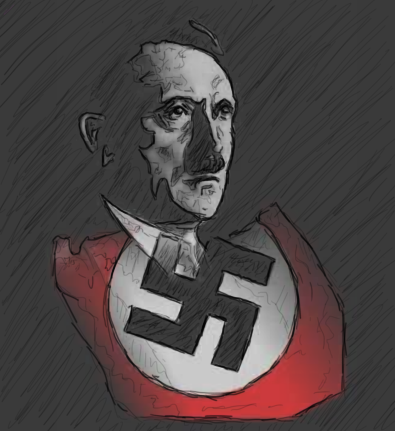
And, of course, Nazis.
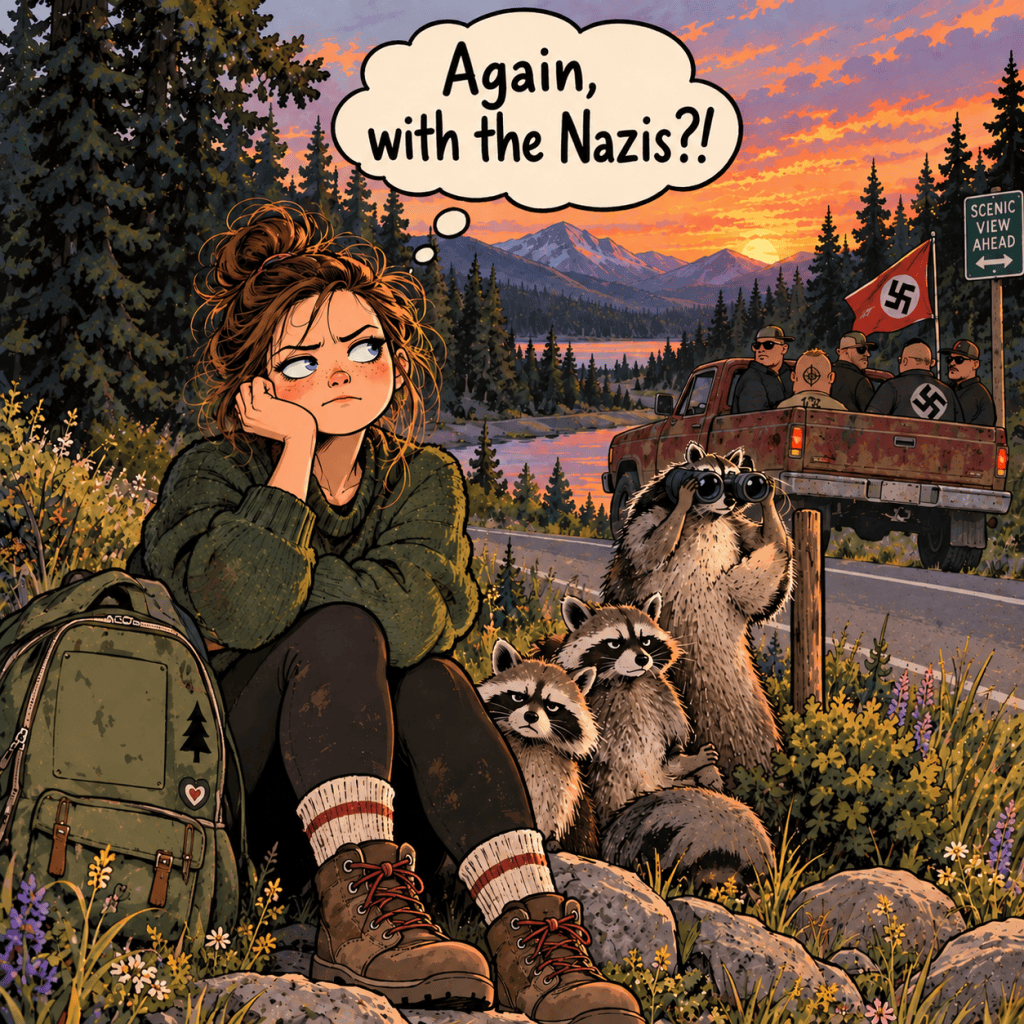
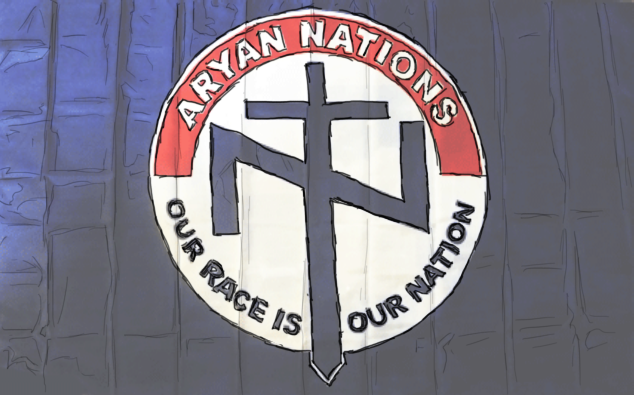
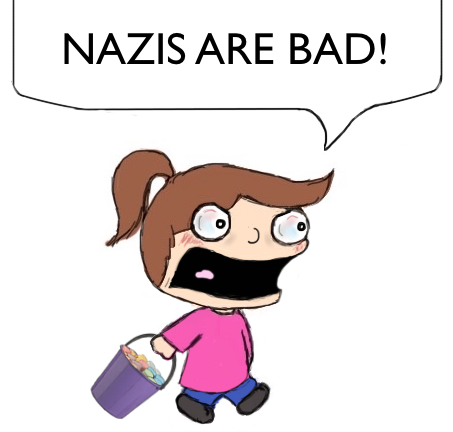
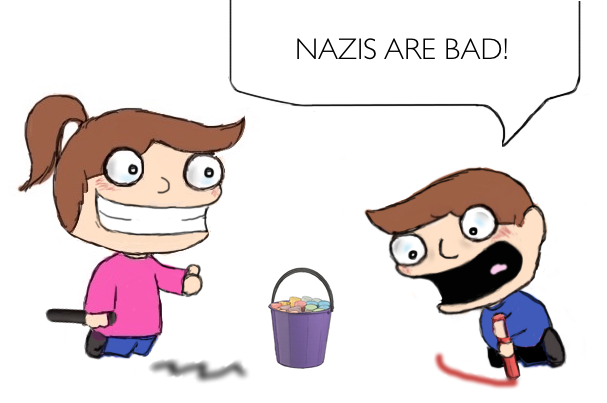
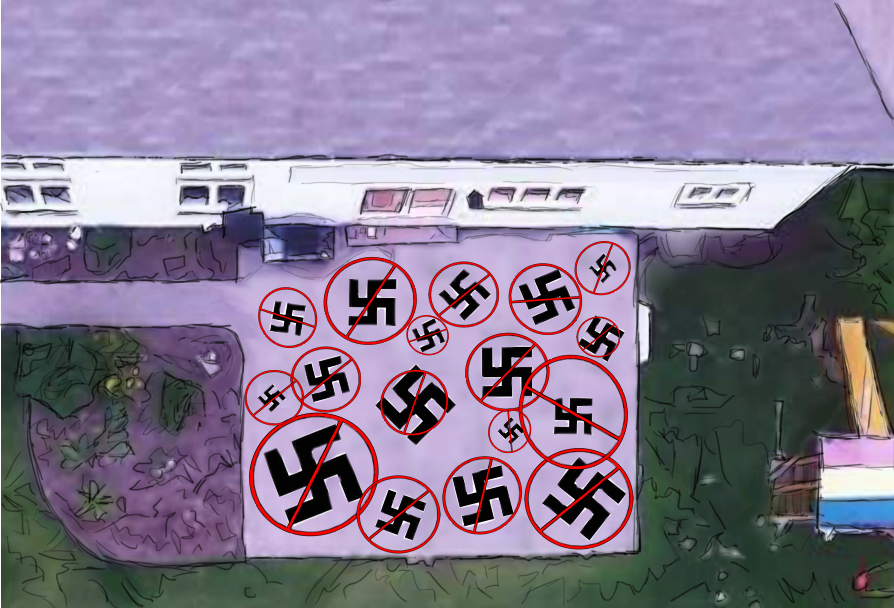
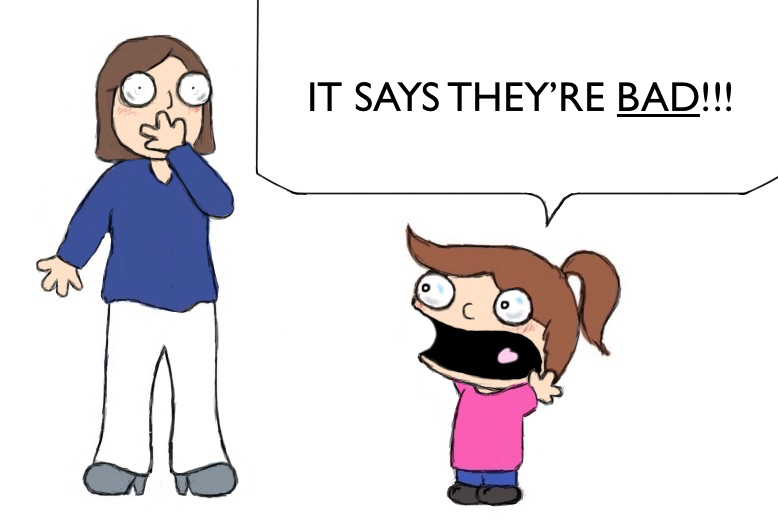
Neo-Nazis roamed around northern Idaho when I was growing up with enough regularity that adults discussed them the way people elsewhere might discuss unusually aggressive raccoons.
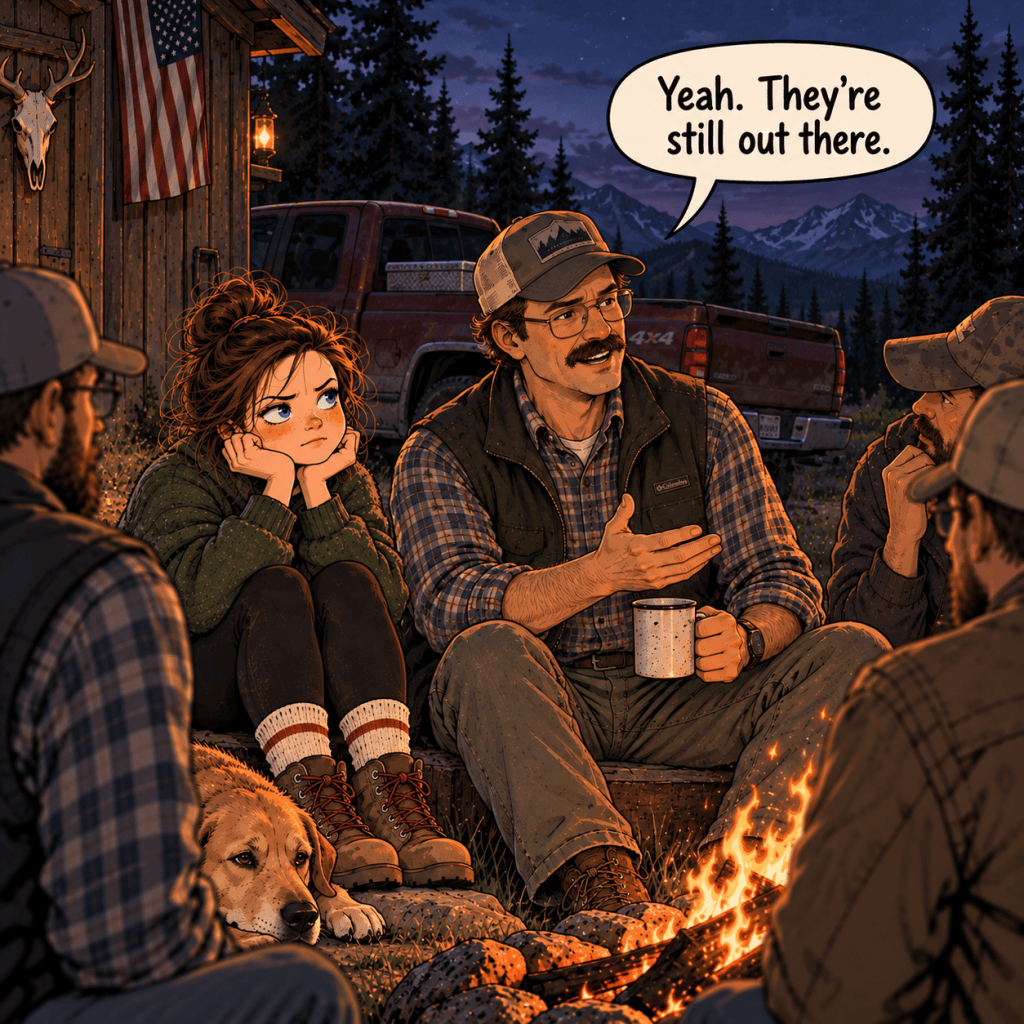
So I grew up in a cultural environment that somehow combined Christianity, wilderness survival, conservative social values, homemade explosives, and the occasional white supremacist.
It was an interesting ecosystem.
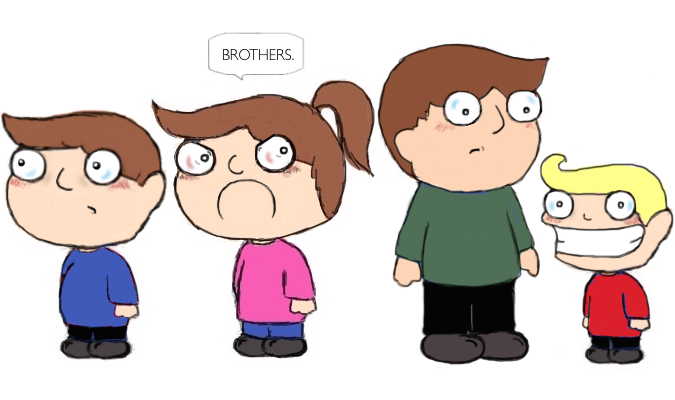
I was also the only girl in a family with three brothers.
This meant that femininity, as I understood it, developed under somewhat unusual laboratory conditions.
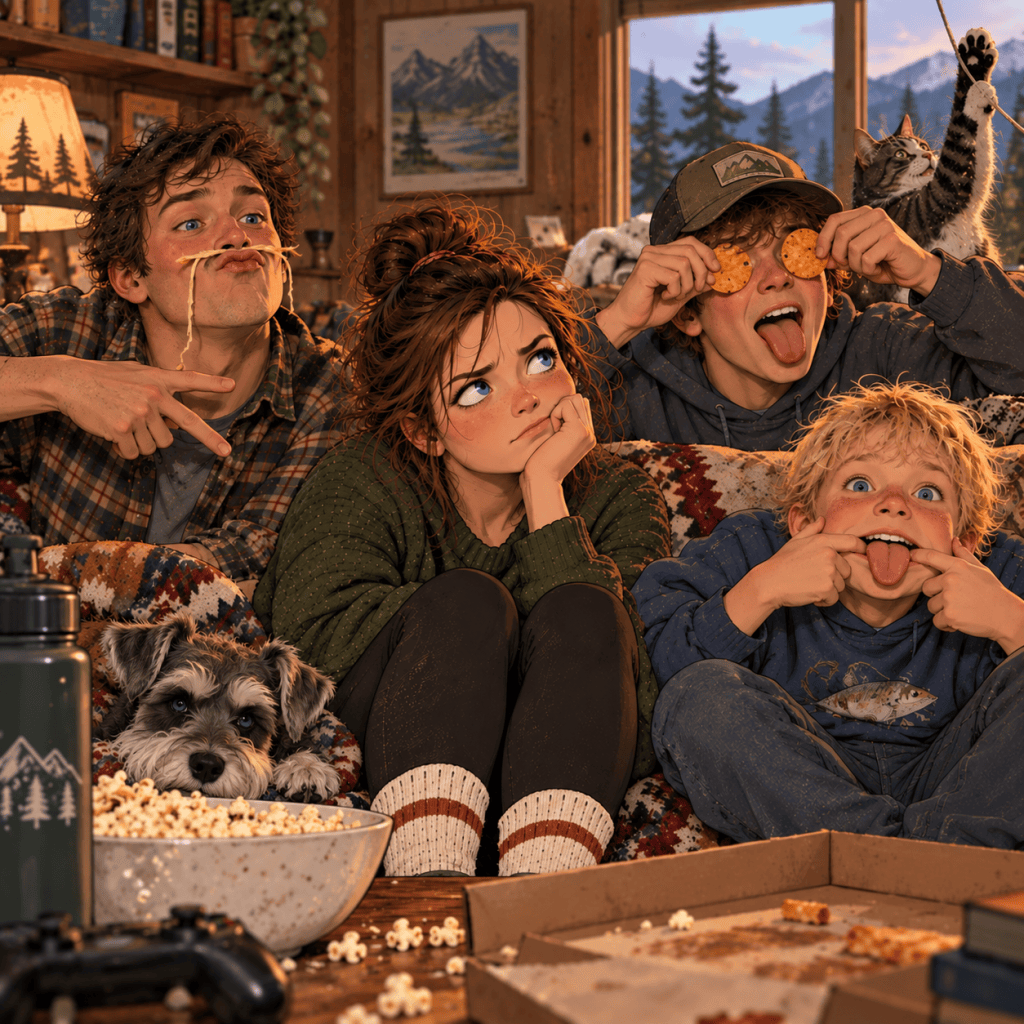
There were no sisters.
There were only boys.
Lots of boys.
Boys running.
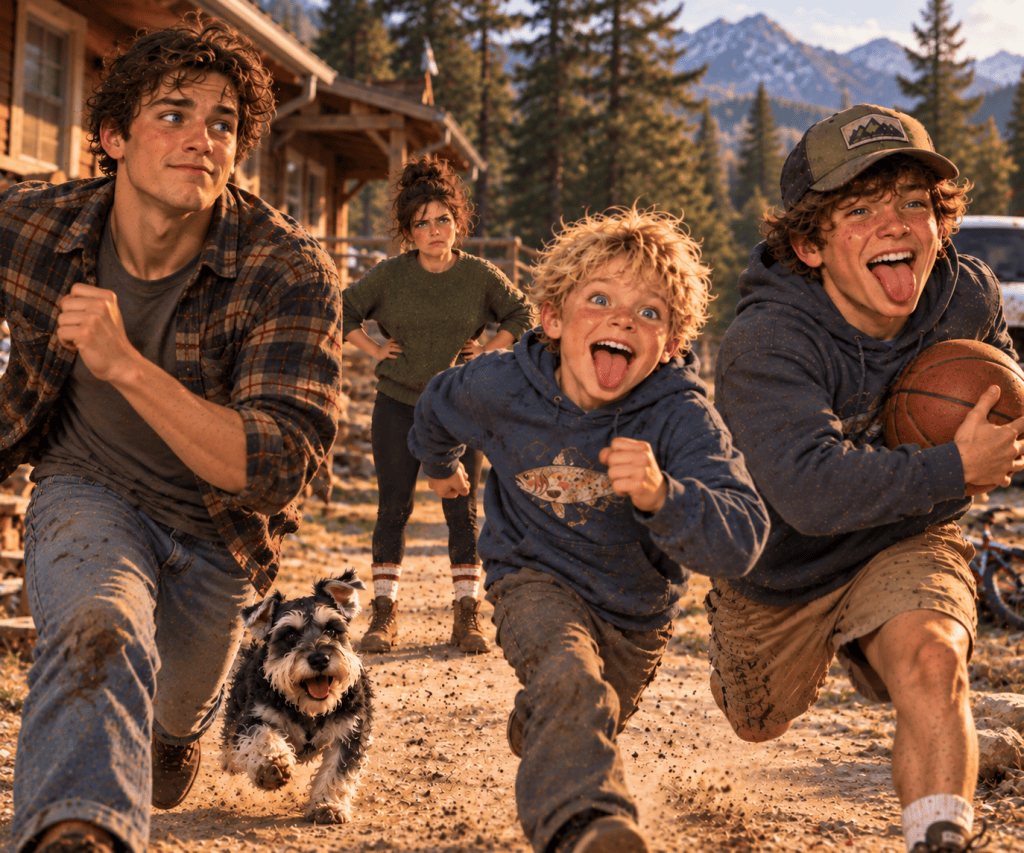
Boys yelling.
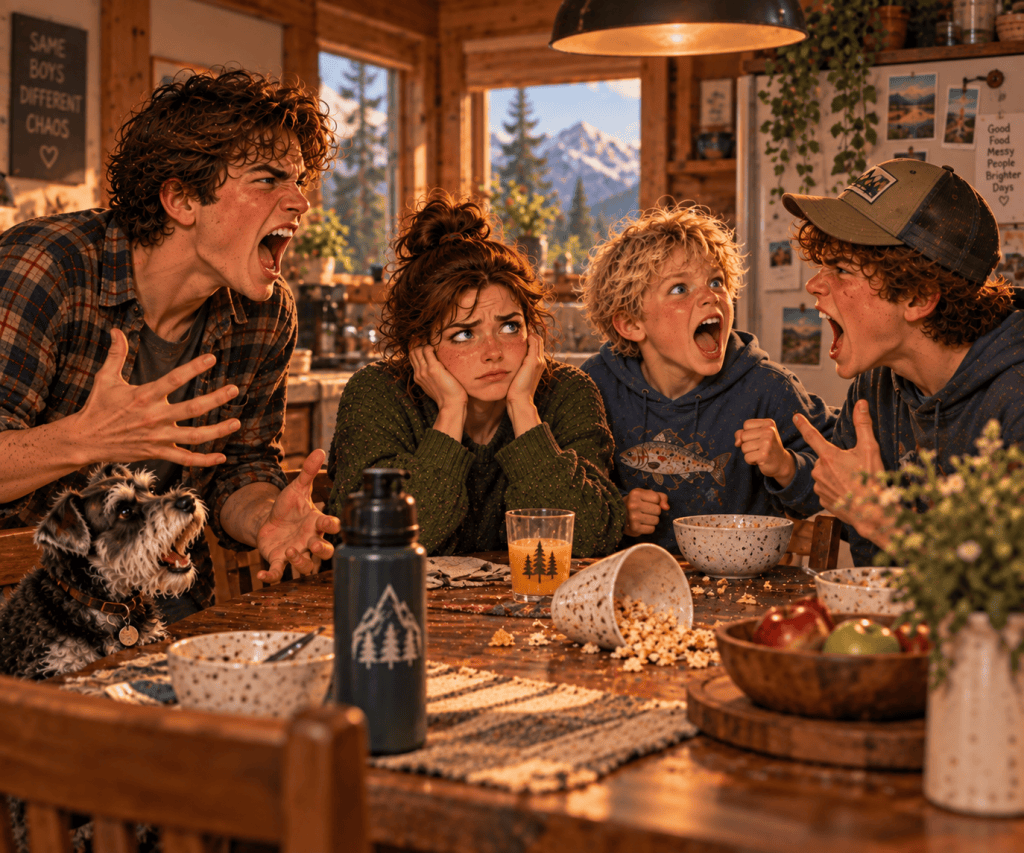
Boys wrestling.
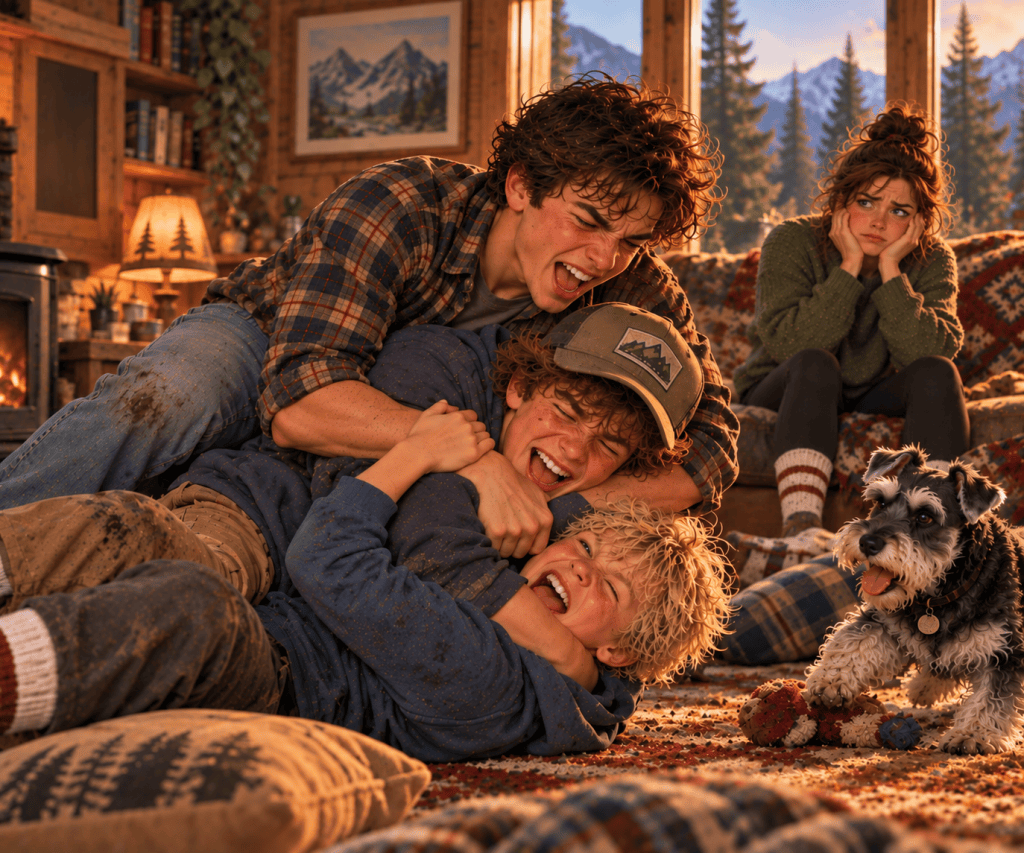
Boys building things.
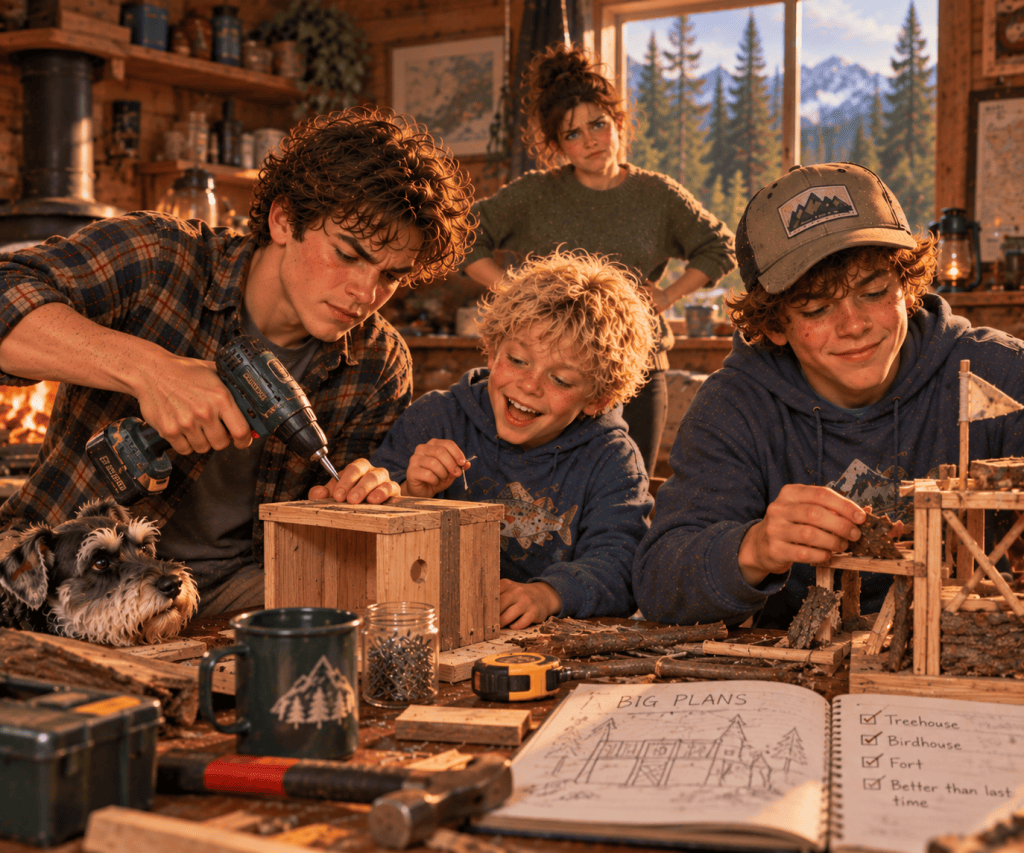
Boys destroying the things they had just built.
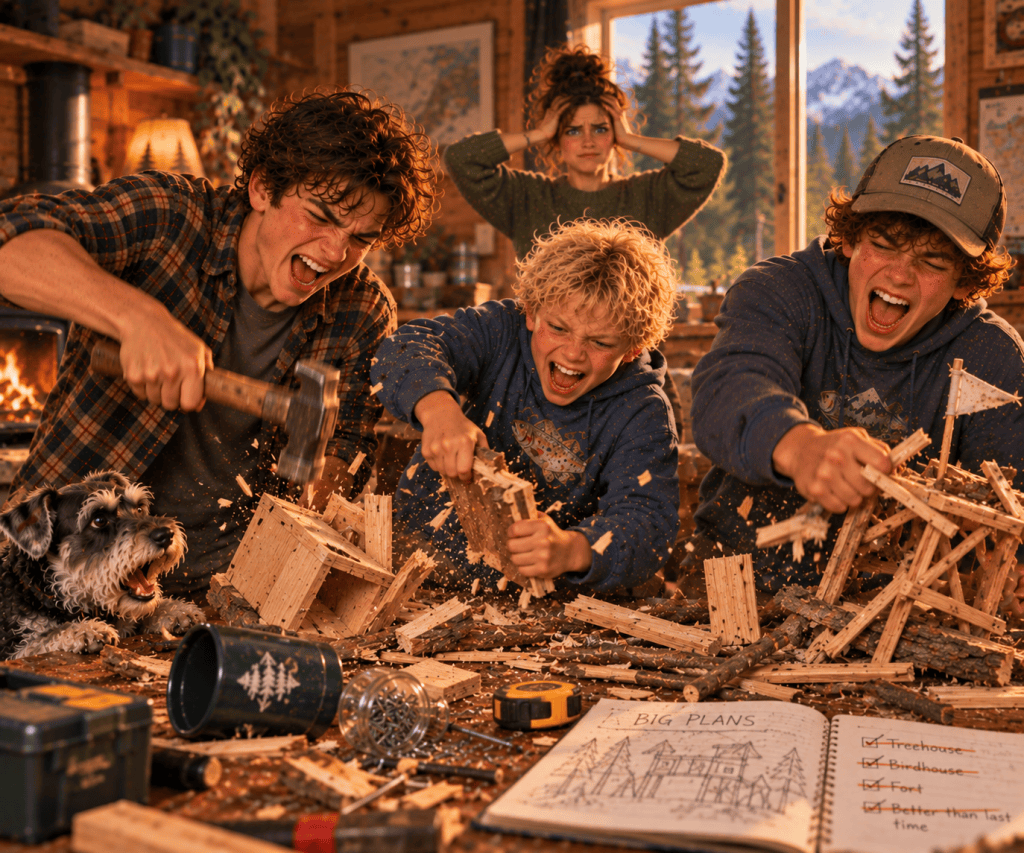
Boys discovering that if you put dry ice and water inside a sealed plastic bottle, something exciting would eventually happen.
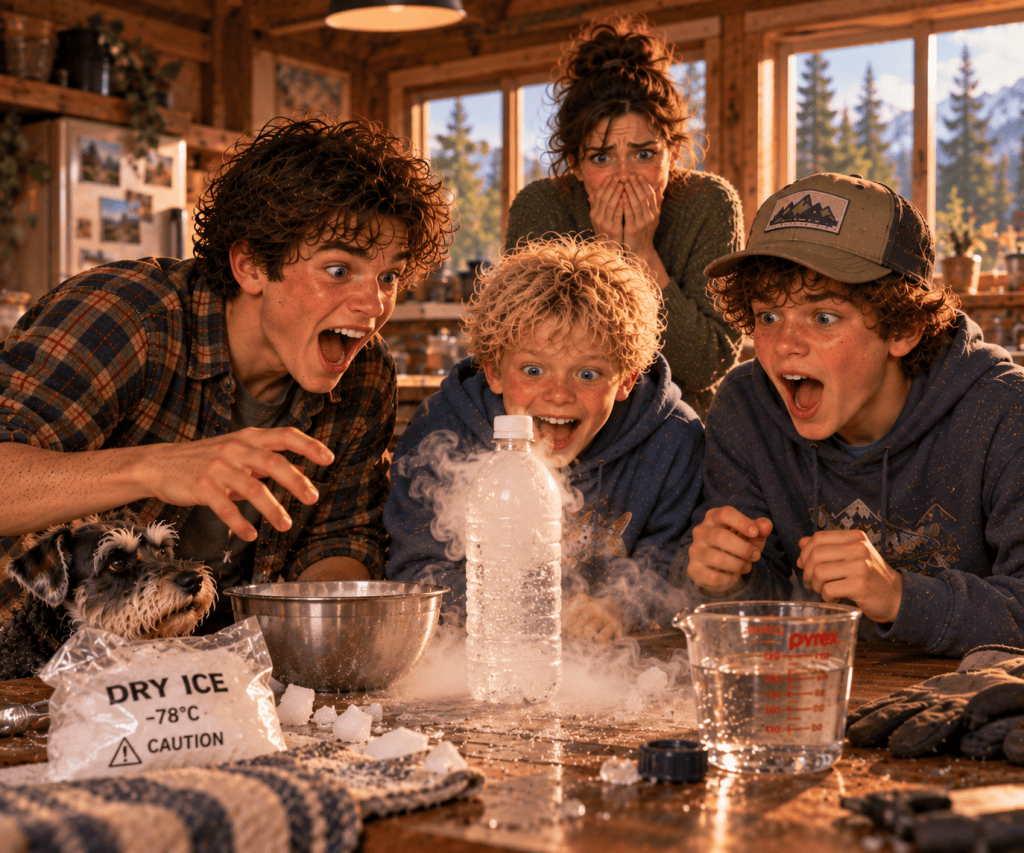
My family had a certain ethos around all of this.
The basic philosophy was:
Ride extreme chaos while maintaining perfect poise.

Something could be actively exploding forty feet away and the expectation was essentially:
Stand up straight.
This is perhaps why I have developed such an unusual relationship with chaos.
Chaos itself does not particularly alarm me.
What alarms me is chaos without principles.
There is a difference, here.
But when I was younger, I didn’t know that. Like, at all.
At the time, I was mostly following my older brother around.
My brother had friends who embodied the particular species of North Idaho teenage boy that I would describe as pre-industrial libertarian woodland mammal.
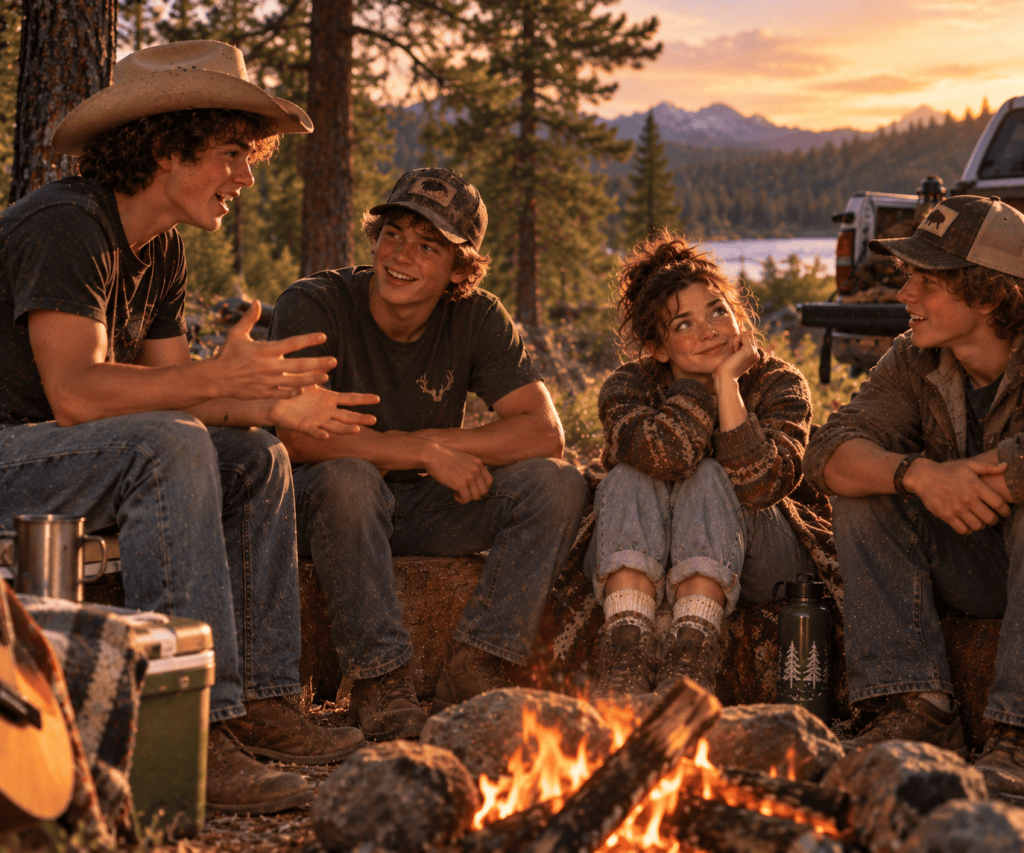
One of these friends lived on a large piece of property in the middle of nowhere.
The property contained trees, dirt, miscellaneous machinery, and literally hundreds of old vending machines that appeared to have reached the end of their natural lives and been released back into the wilderness.
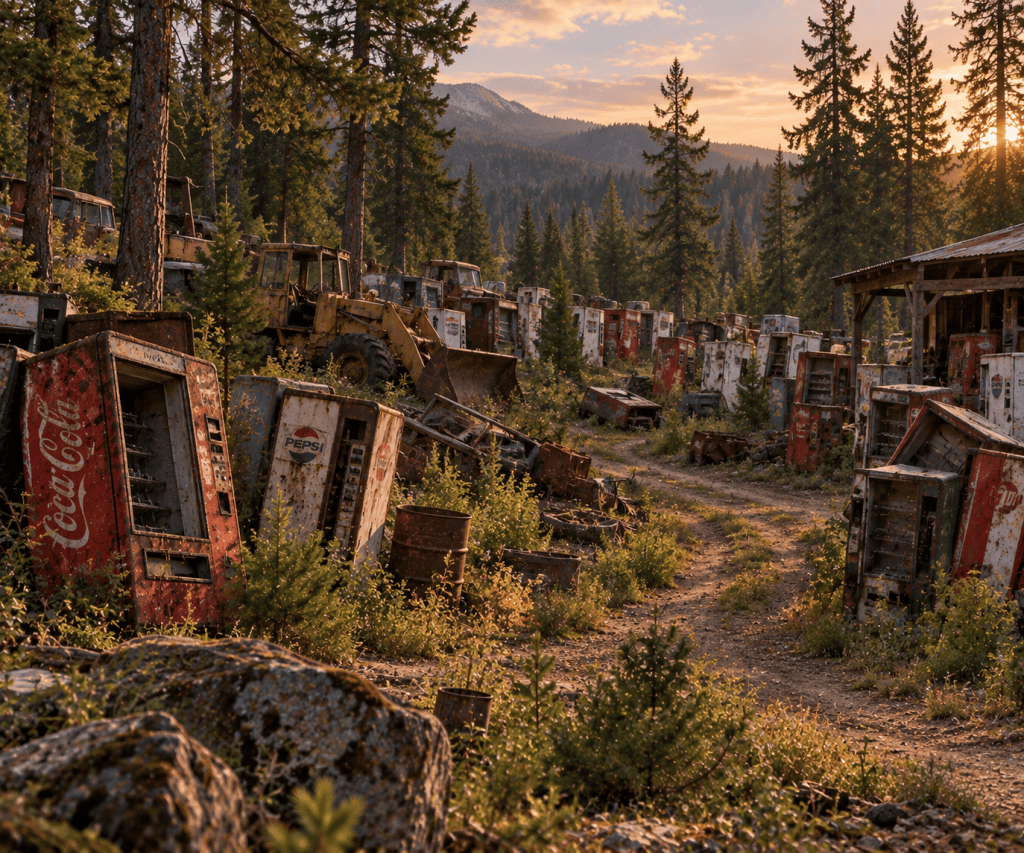
This is one of the first rules of rural culture:
Do not ask questions that the landscape has already decided not to answer.
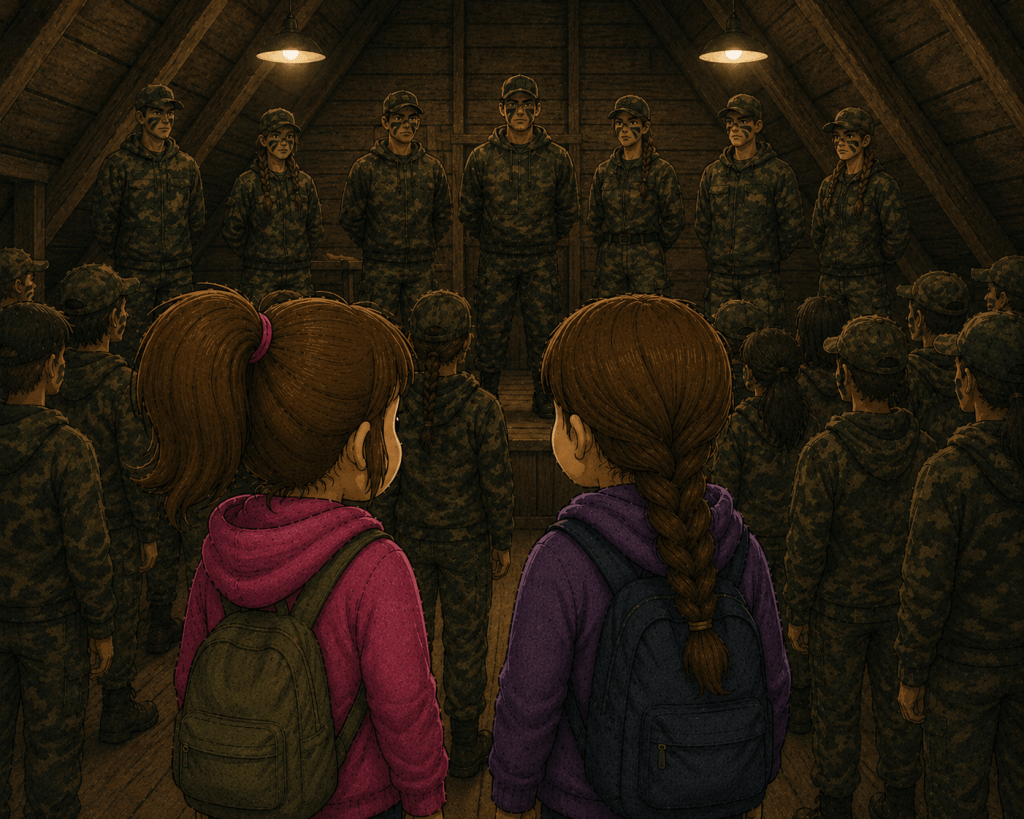
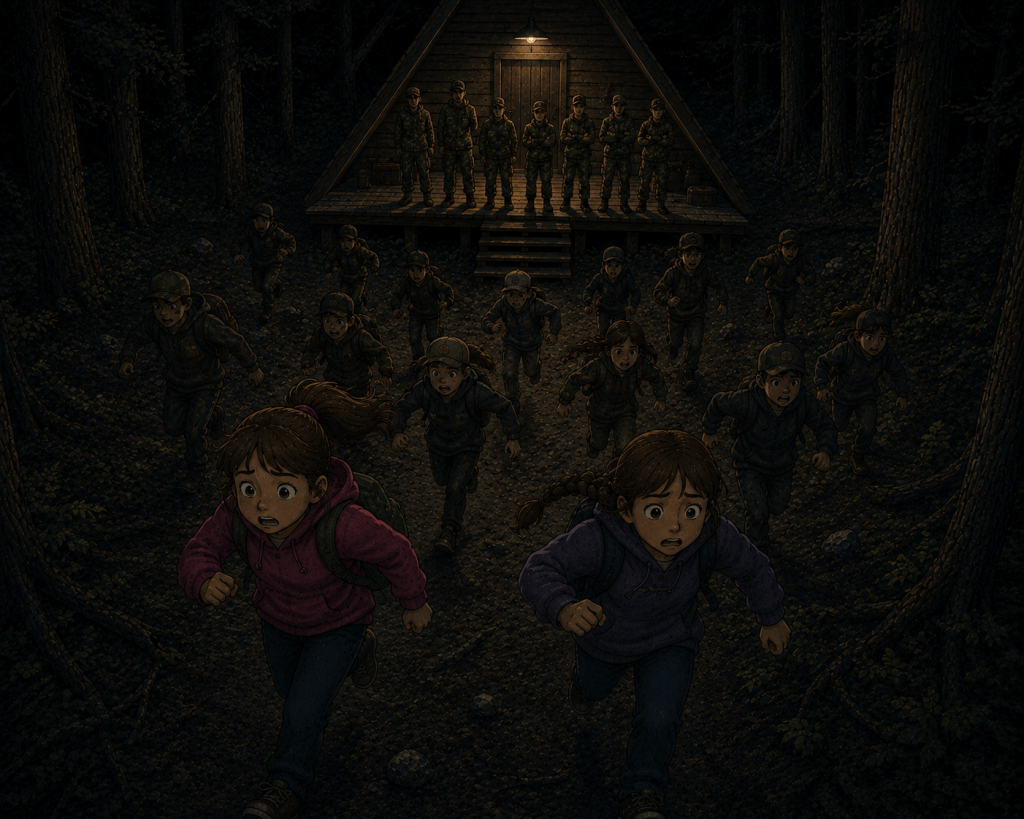
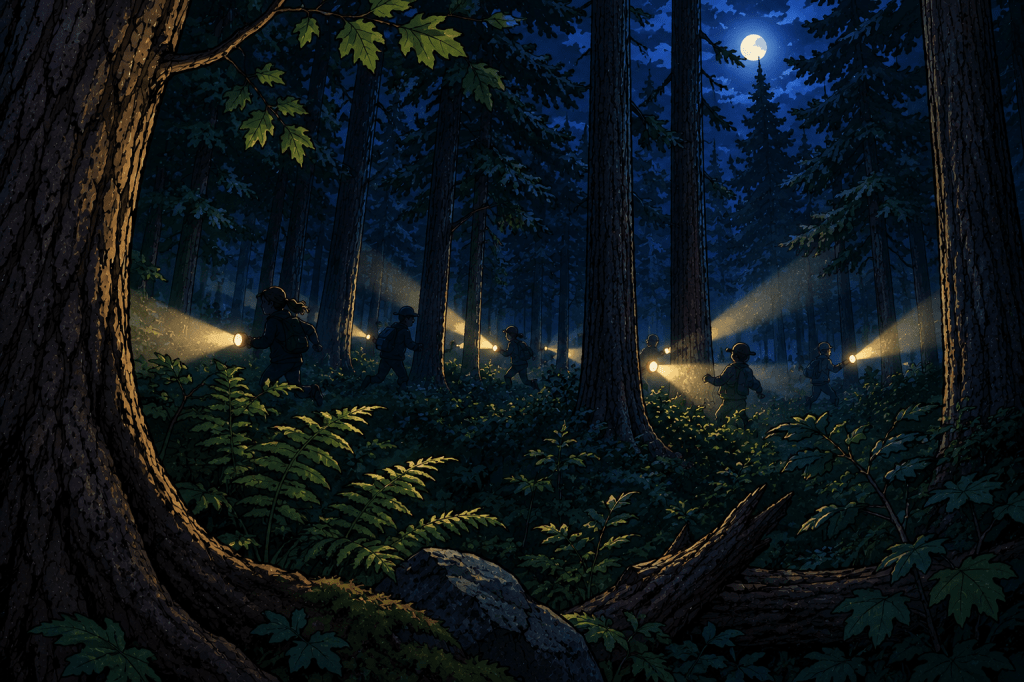
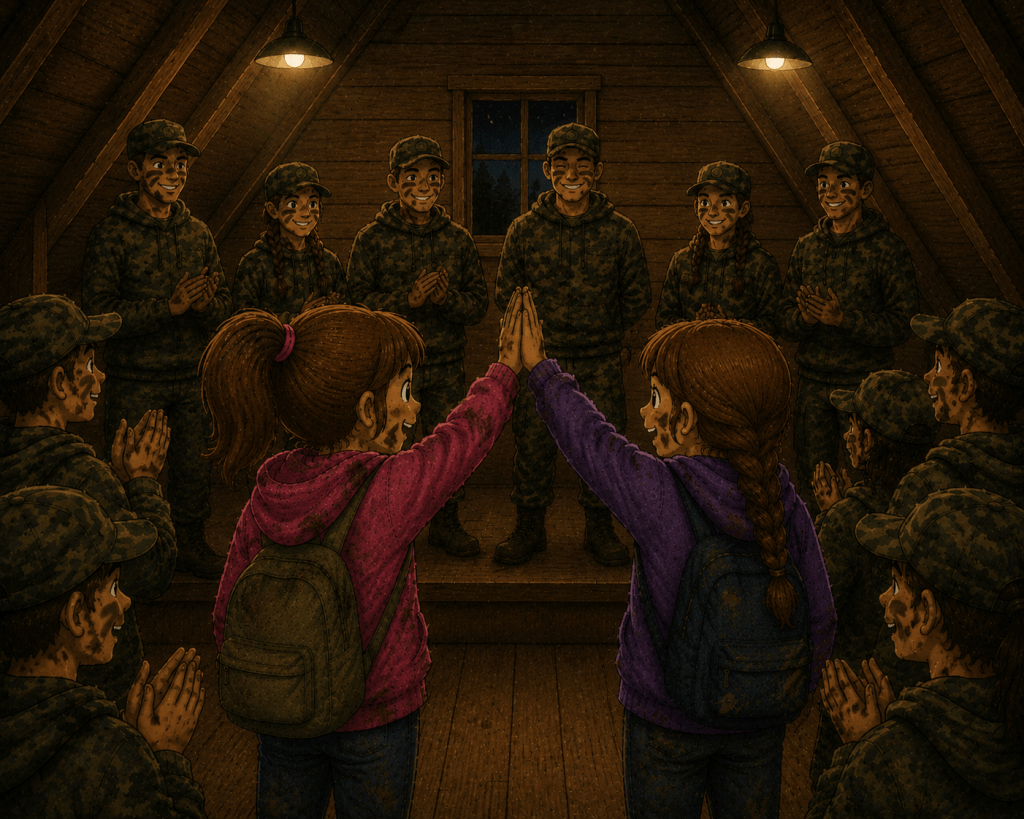
We played paintball there.
We would dress in camouflage, load our paintball guns, divide into teams, and disappear into the woods to hunt one another recreationally.
Because, why not.
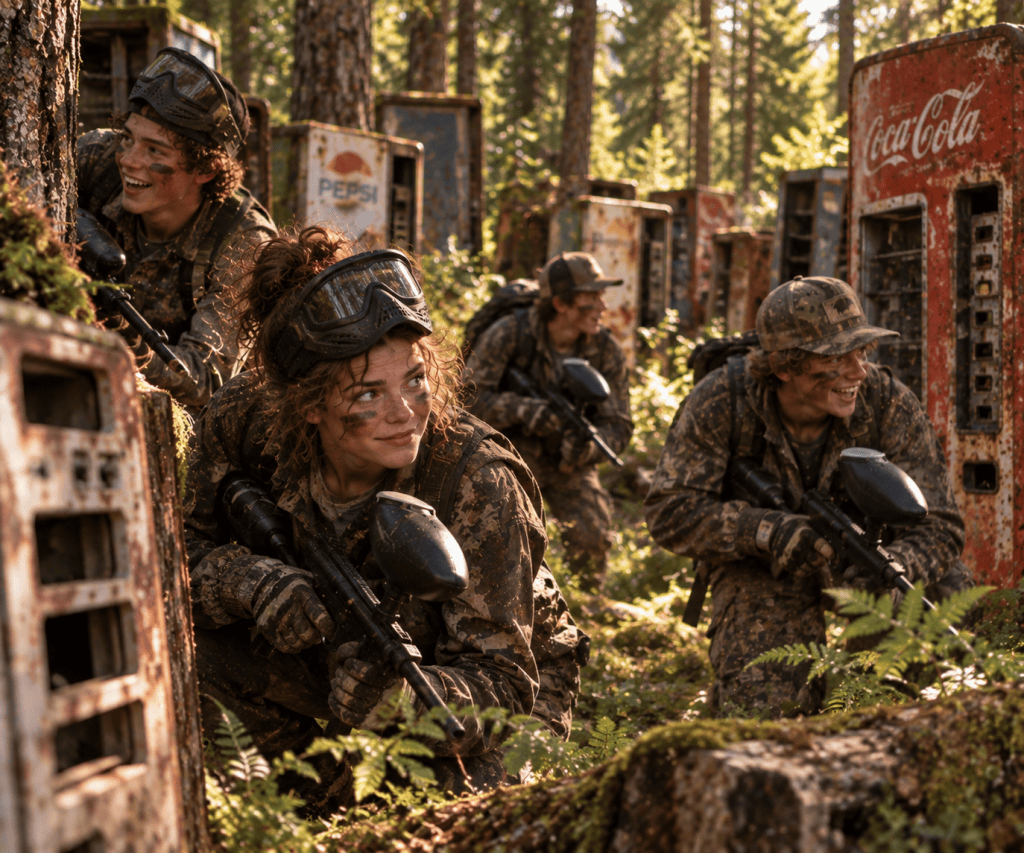
I was often the only girl.
And, technically, I was participating.
But mostly I was observing.
This has actually been one of the great recurring themes of my life.
Everyone else thinks we are doing an activity.
Meanwhile, I am conducting an unauthorized anthropological study.
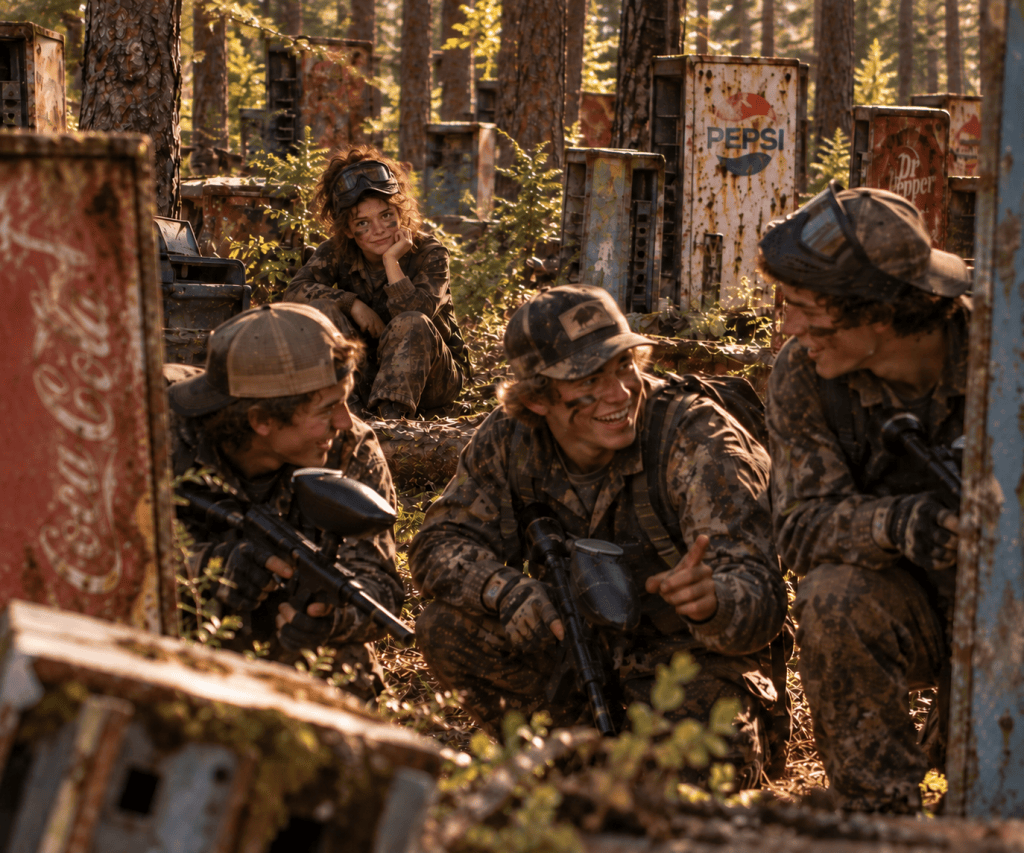
The boys were fascinating.
Once the game began, something changed.
They became intensely focused.
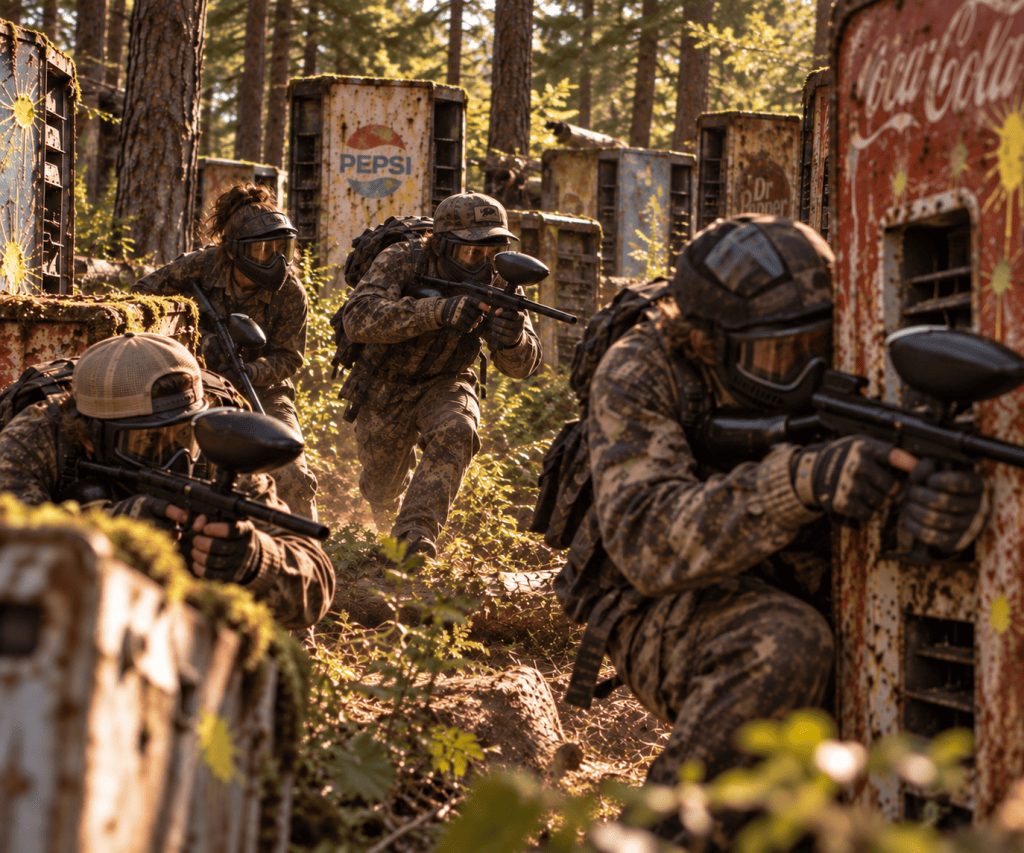
Communication became brief.
Movement became deliberate.
Nobody needed to discuss how everyone felt about the current tactical arrangement.
Nobody stopped behind a tree and said:
“I just want to make sure Trevor feels heard.”
Trevor was behind a refrigerator.
Trevor was under full assault.
Trevor was fine.
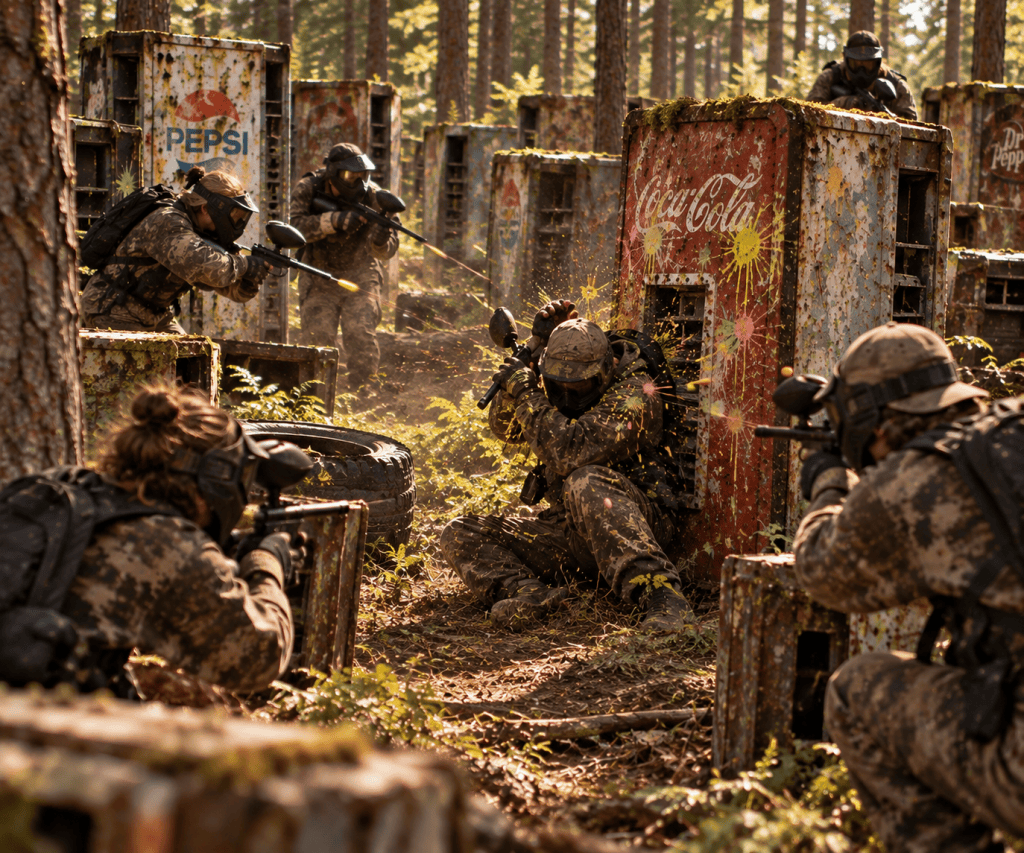
There was an objective.
There were rules.
There were teammates.
There was risk.
And suddenly everyone locked in.
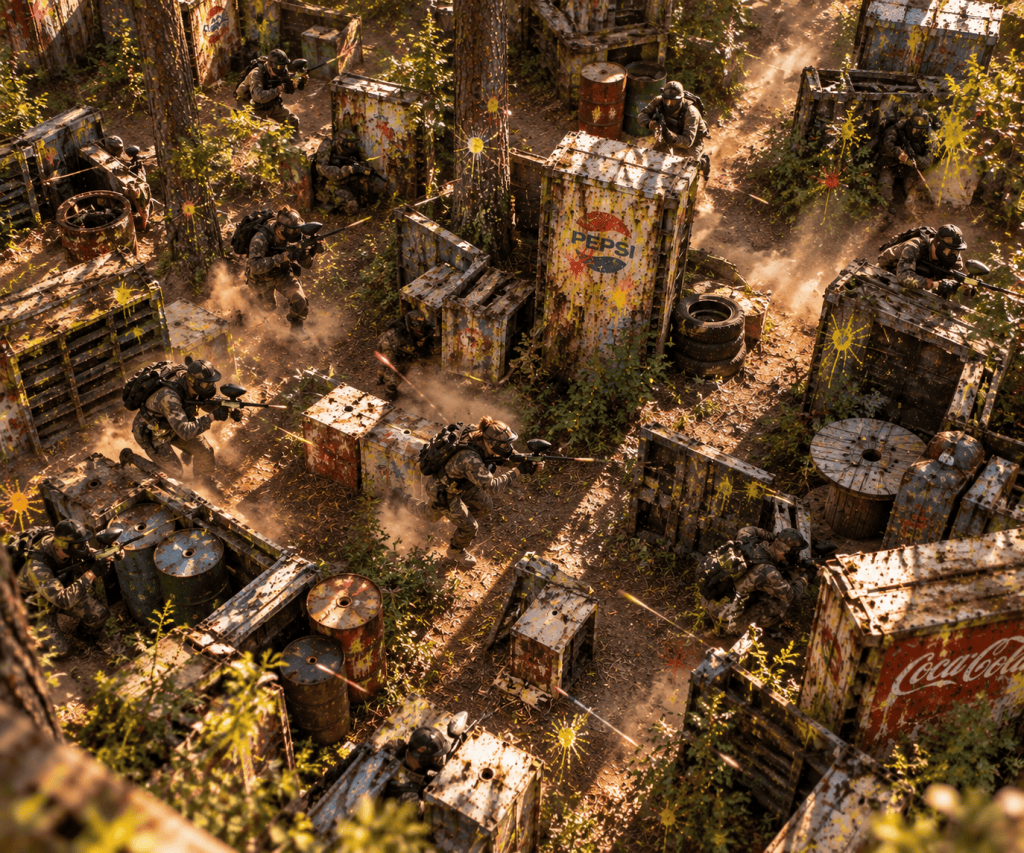
I remember one particular game when nobody would shoot me.
I think they felt bad.
I was the girl.
Also, to be fair, I was not demonstrating tremendous tactical aggression.
I was wandering around the battlefield like Jane Goodall.
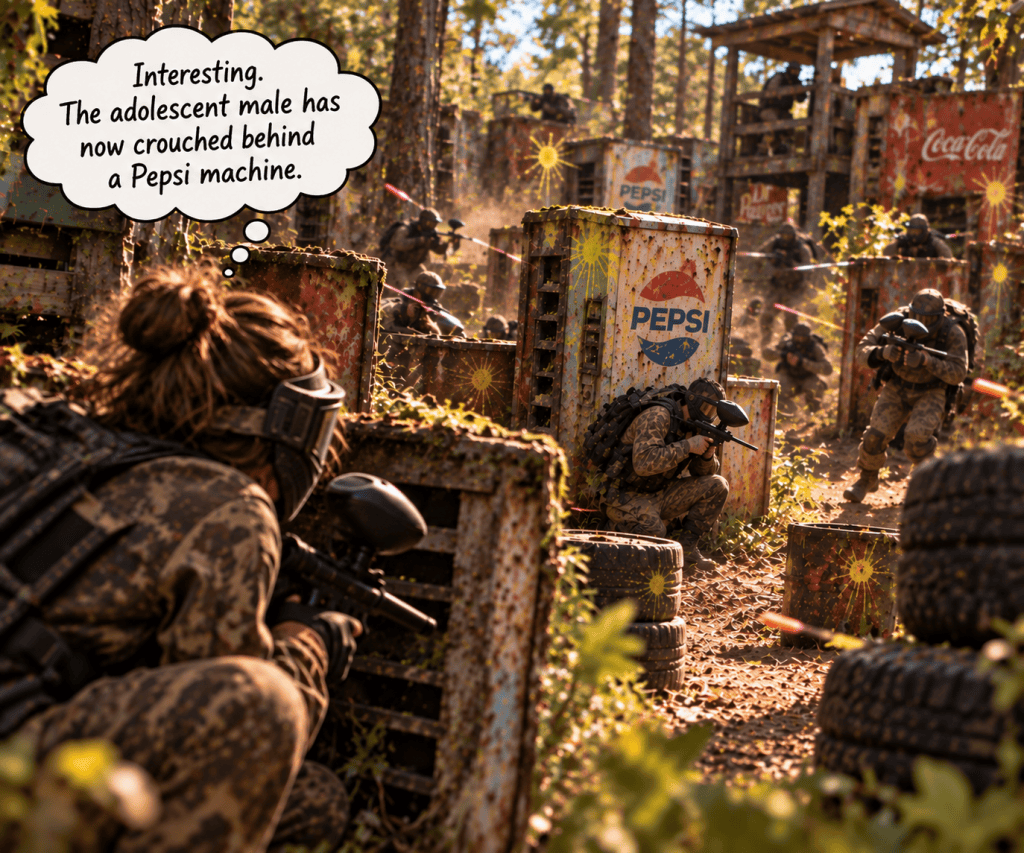
Eventually I became irritated because I wasn’t viewed as a viable threat.
I had come here to play paintball!
Being treated like a visiting dignitary was ruining the experiment.
So I did the only reasonable thing I could think of.
I ran directly into the middle of the battlefield.
Duh.🙄
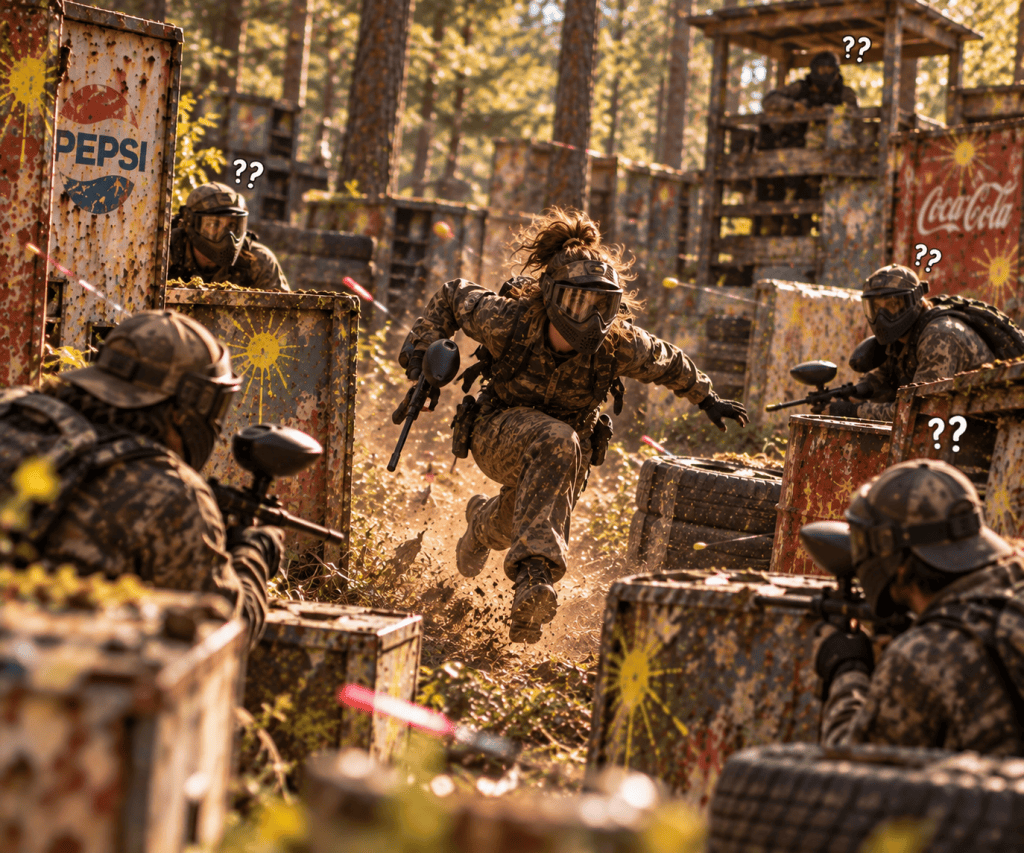
Fully exposed.
A bizarre, tiny camouflaged feminist protest.
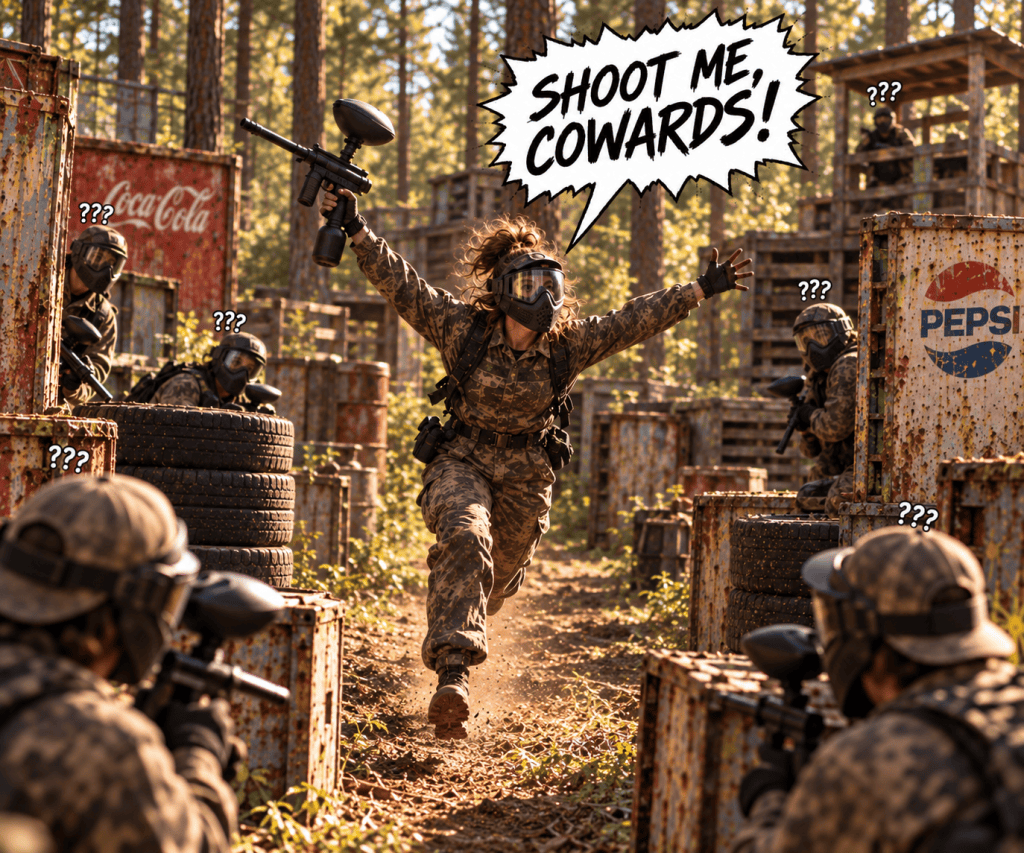
Eventually somebody did.
Right in the butt.
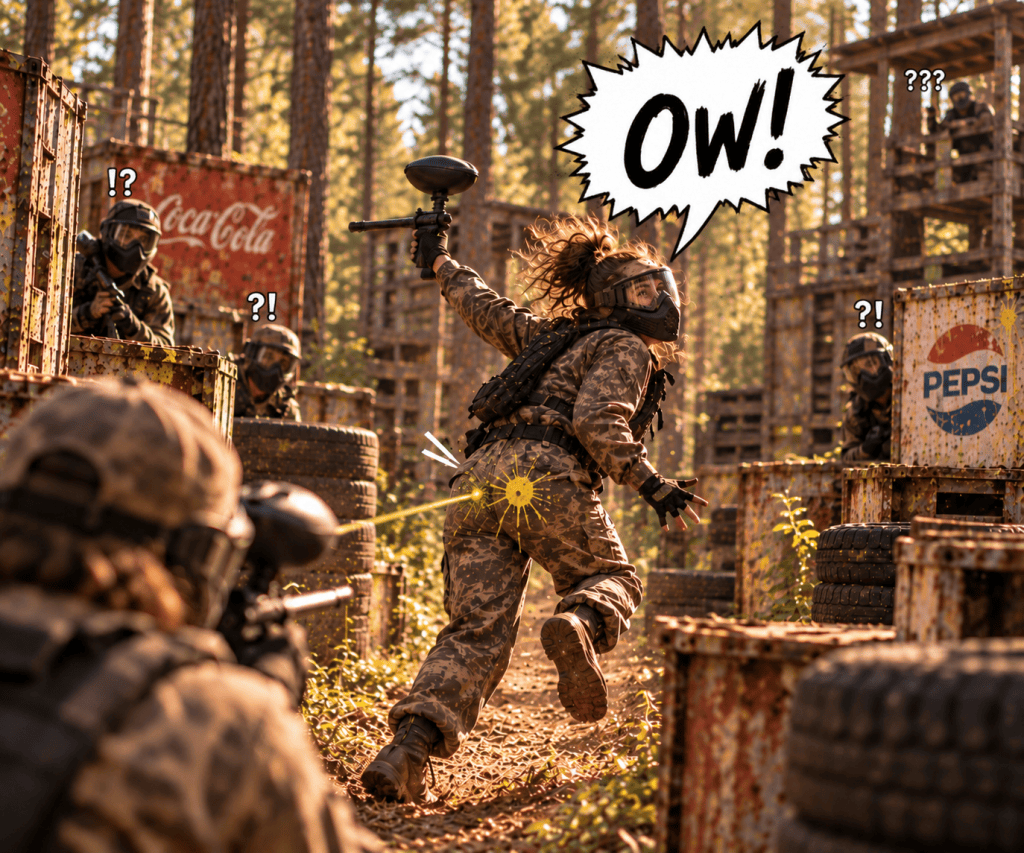
And frankly, I respected it.
Because equality had finally arrived.
It just happened to arrive at approximately 280 feet per second in the rear.
🤪
I think about those boys sometimes.
Not because dry-ice bombs and abandoned vending machines represent the pinnacle of civilization.
I mean, they really don’t.
(I would like to state that clearly for obvious legal purposes).
But underneath all that adolescent stupidity, I was watching something ancient.
When circumstances demanded it, those boys knew how to narrow their attention.
Protect their people.
Know where they stood.
Watch the perimeter.
Don’t panic.
Don’t abandon the objective because someone, or something, made you uncomfortable.
And, importantly:
There are moments when the situation is bigger than yourself.
Like, in a way that is very real.
Because as I grew older, I began noticing something about myself.
There are moments when I lock in.
Not physically.
I am not especially interested in storming an actual hill.
I would strongly prefer that nobody storm any hills, if I’m honest.
But there are moments when something fundamental is being threatened. Someone’s dignity, someone’s humanity, someone’s basic right to exist safely among the rest of us.
And something inside me becomes remarkably still.
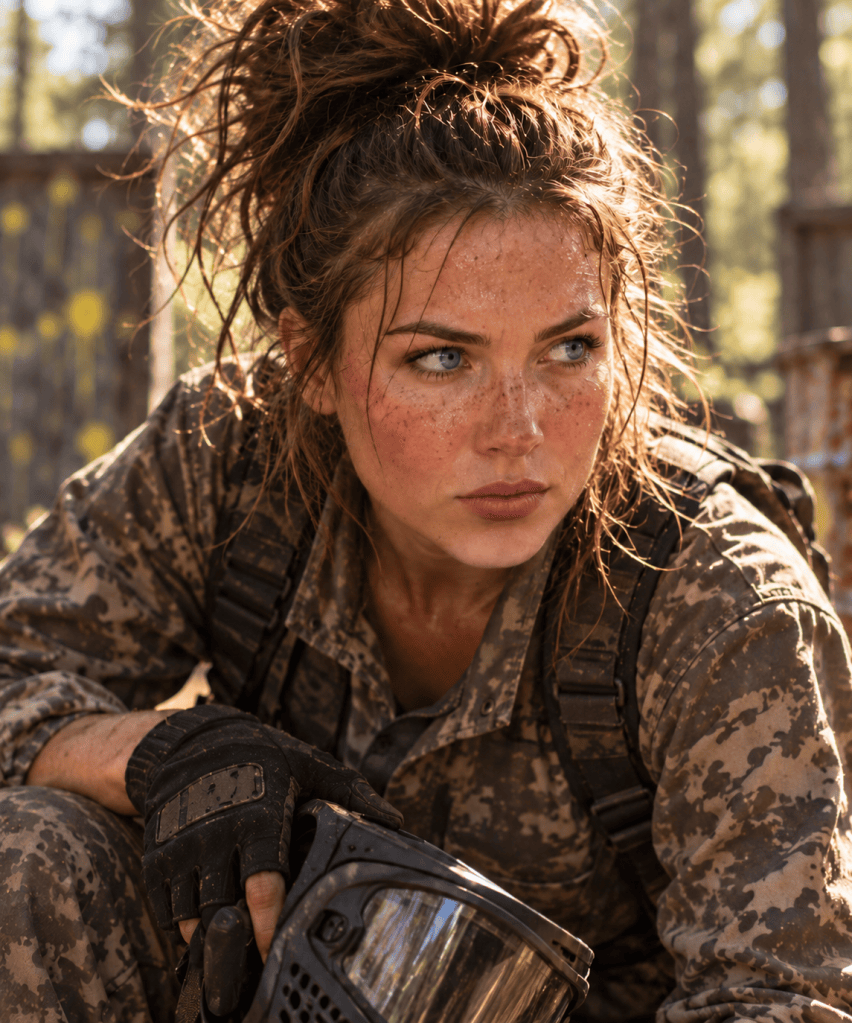
The social static disappears.
Whether everyone likes me becomes irrelevant.
Whether I look graceful becomes irrelevant.
Whether speaking costs me something becomes significantly less important.
There is simply the perimeter.
And something worth protecting inside it.
That, I think, is one of the healthiest things I absorbed from the masculine culture around me.
Not domination.
Not aggression.
Not the ridiculous idea that whoever is strongest gets to decide what reality is.
Quite the opposite.
Strength becomes honorable when it places itself in service of something more vulnerable than itself.
That principle isn’t male.
It isn’t female.
It’s human.
And if I’m really honest, I believe it’s divine.
But I first saw one particular version of it among boys.
And eventually I learned how to translate it into womanhood.
My version looks different.
I don’t need to become louder than everyone else.
I don’t need to humiliate anyone.
I don’t need to overpower another person to prove that I cannot be overpowered.
Sometimes locking in looks remarkably feminine.
It can look like composure.
Discernment.
Refusing to join a mob.
Standing beside the person everyone else has quietly decided is expendable.
Saying no when cruelty has been dressed up as tradition.
Saying yes when fear has been dressed up as wisdom.
Remembering that human beings remain human beings even when the room has temporarily forgotten.
Especially then.
Maybe that’s one of the many strange little nuggets of wisdom I’ve carried out of those North Idaho woods.
I grew up surrounded by contradictions.
Deep faith and some backward thinking.
Extraordinary beauty and genuine ugliness.
Tenderness and bravado.
Boys blowing things up for absolutely no reason while adults tried to raise us into decent human beings.
And somewhere inside all of that, I learned to watch.
I learned that power reveals itself most clearly by what it chooses to protect.
I learned that chaos doesn’t require panic.
I learned that sometimes maintaining your humanity means becoming extremely calm while everyone else is losing theirs.
And I learned that preserving collective human dignity occasionally requires a woman to stop worrying about whether she is behaving correctly and run directly into the middle of the fray.
Which may be a little stupid.
But is also apparently effective.
Because eventually somebody will shoot you in the butt.
And then at least everyone knows you’re playing.






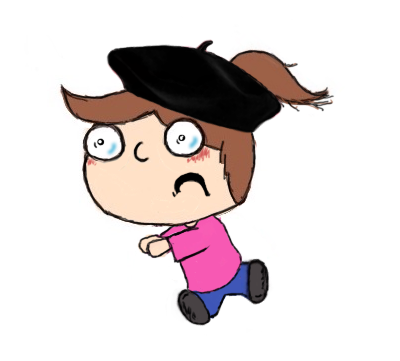
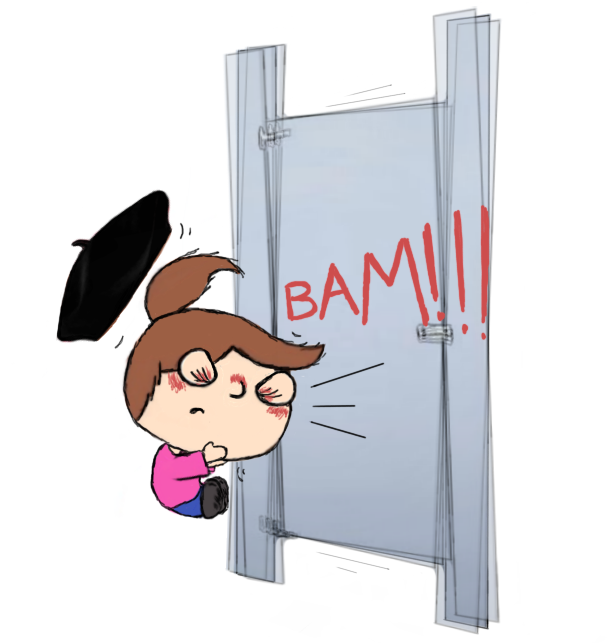


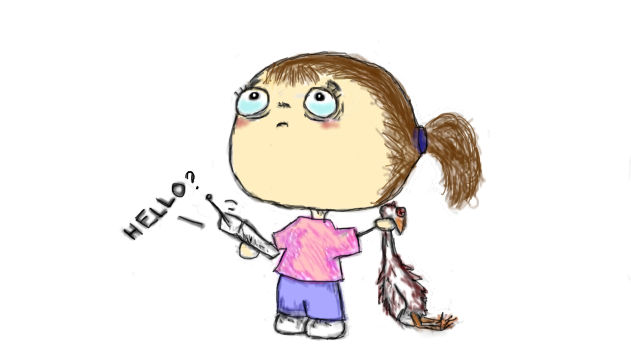
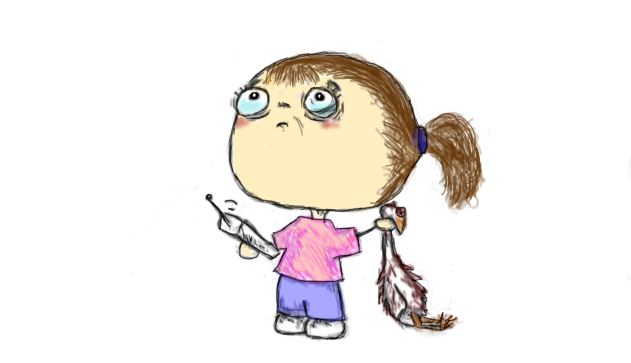
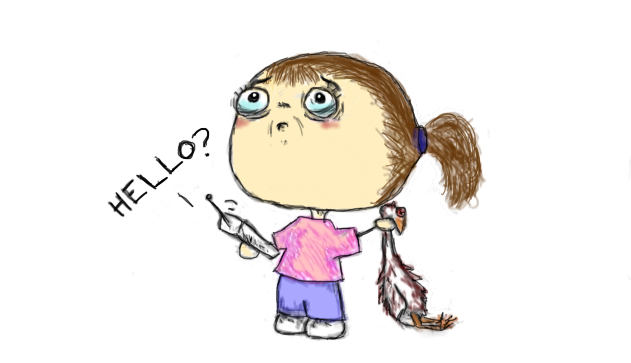
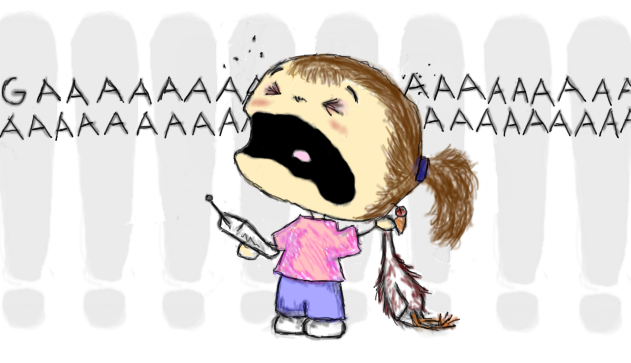
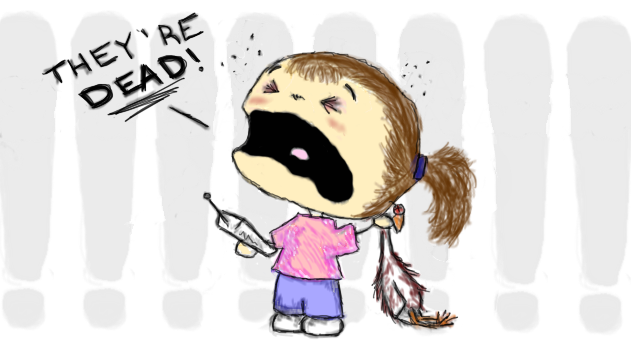
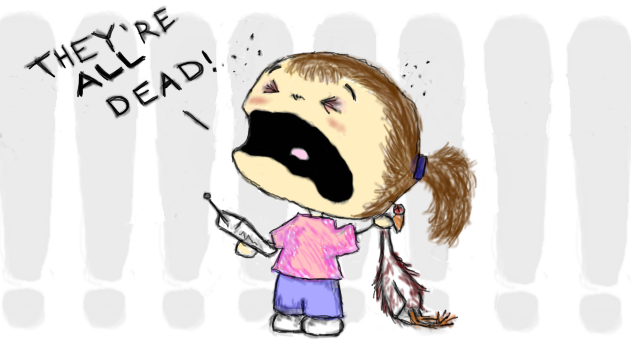
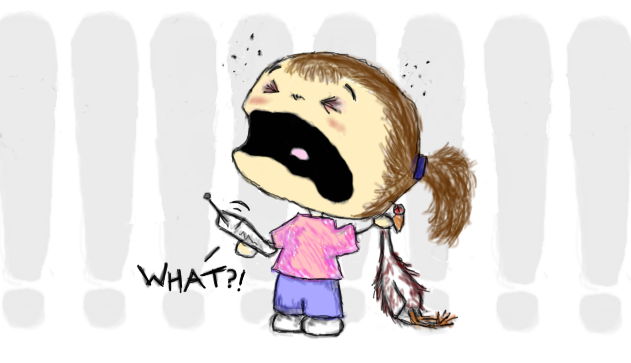
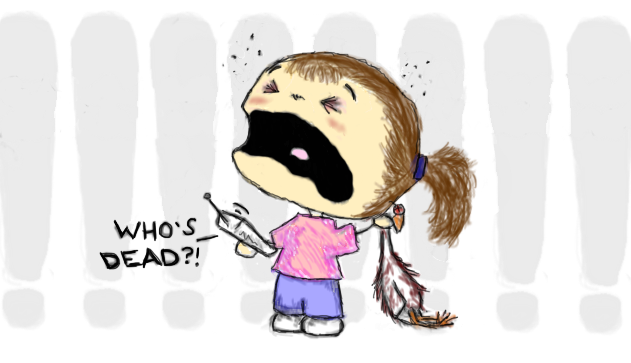
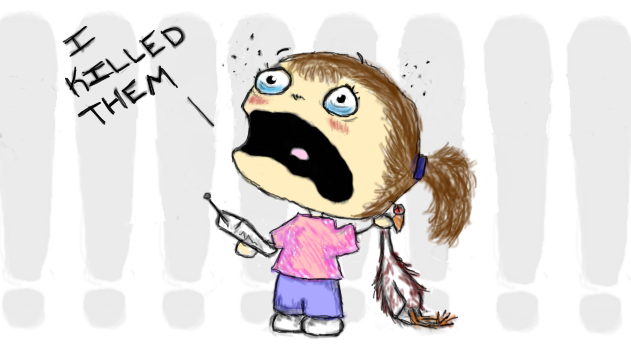
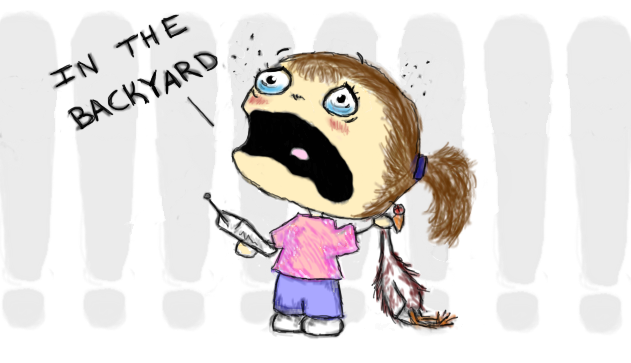
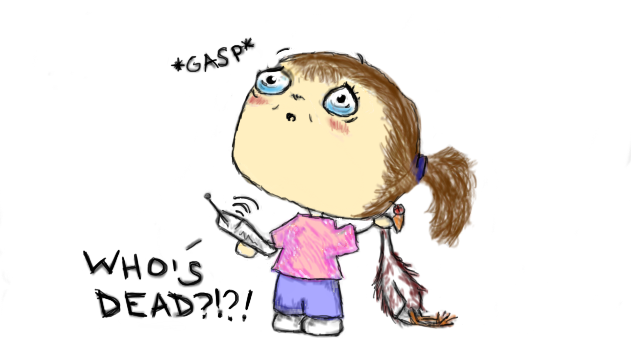
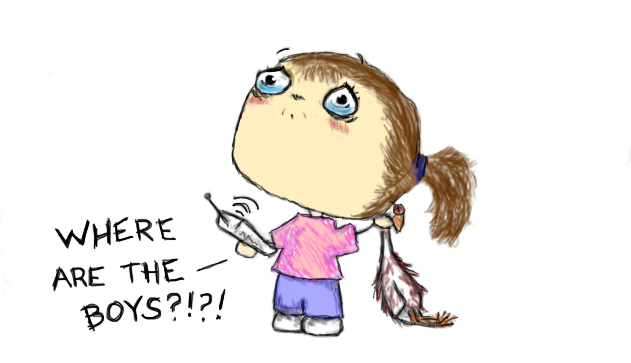
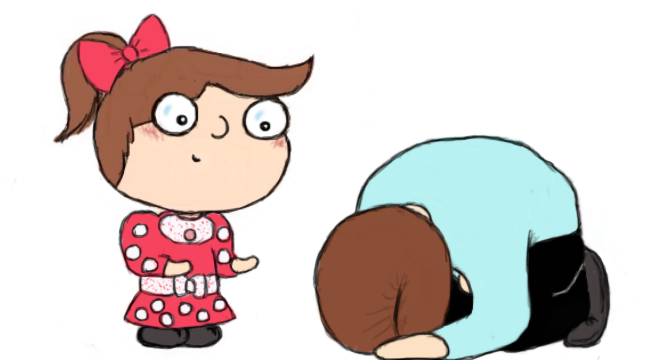
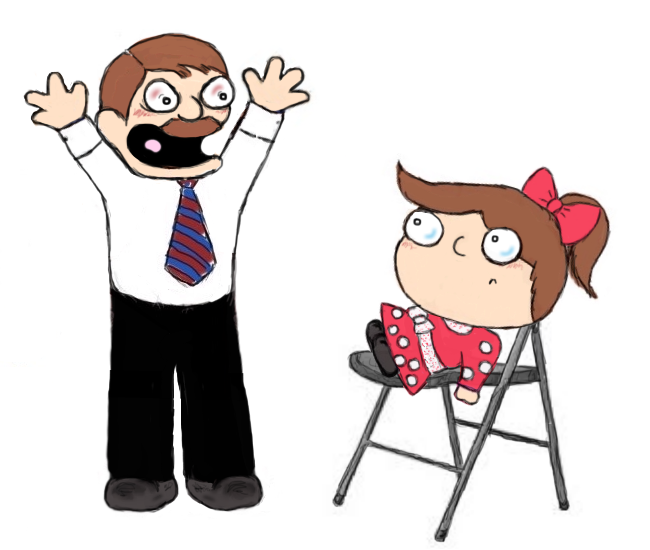
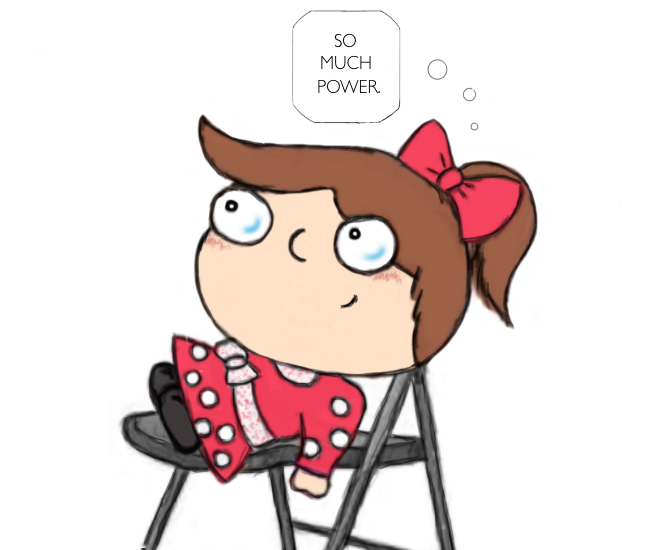
 I was a ticking time bomb.
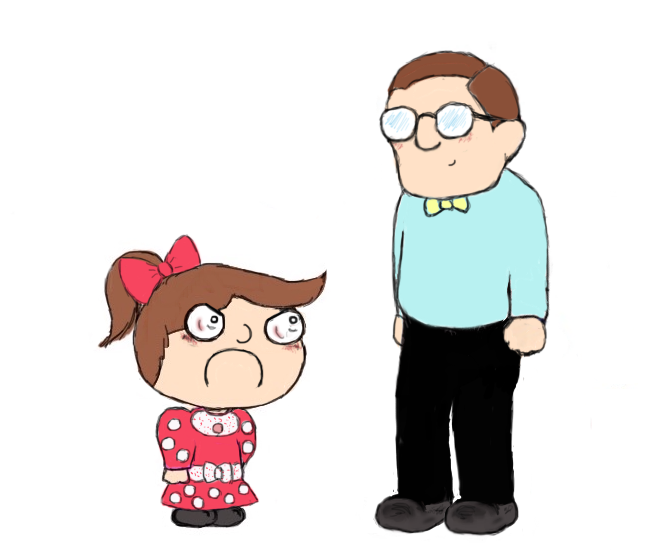
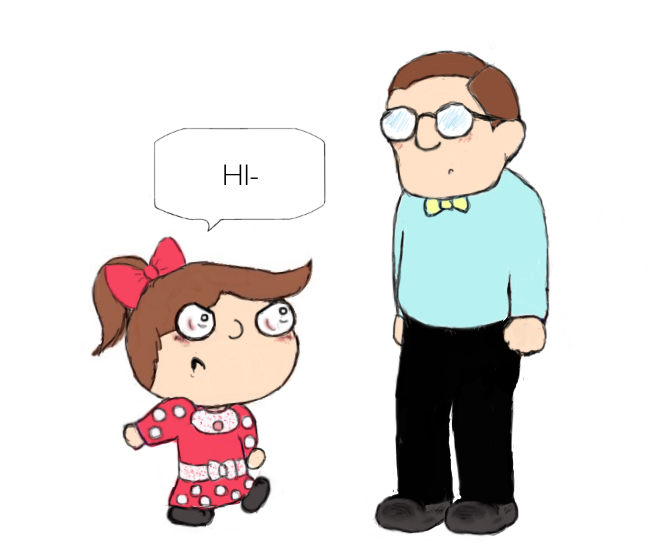
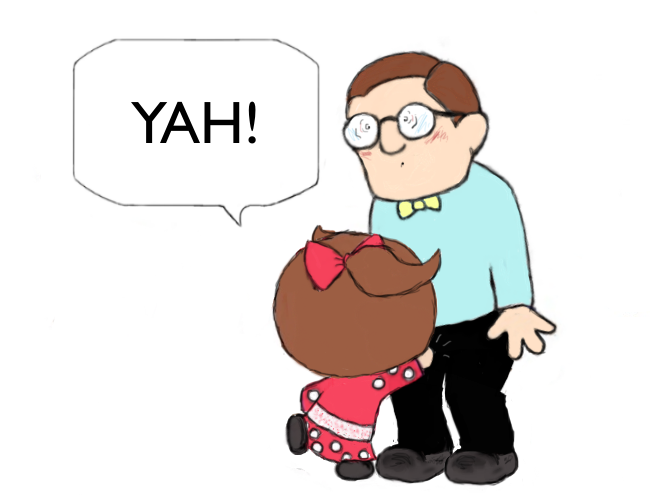
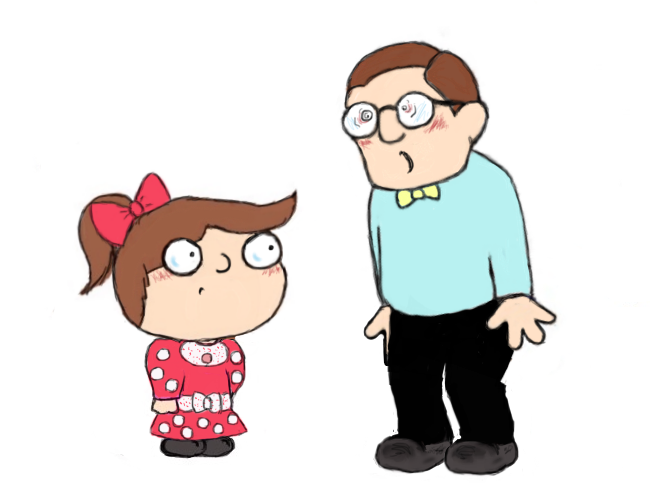
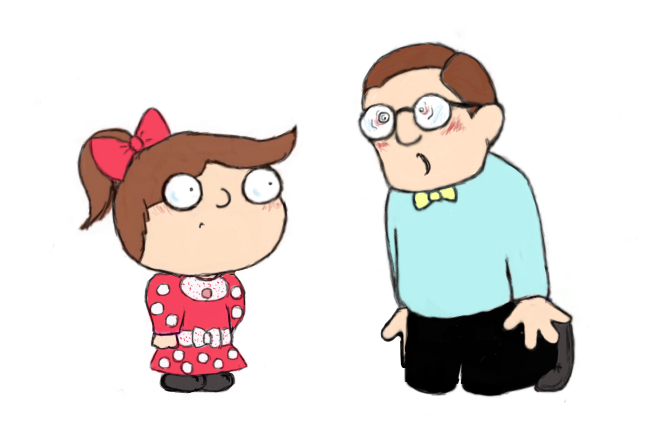
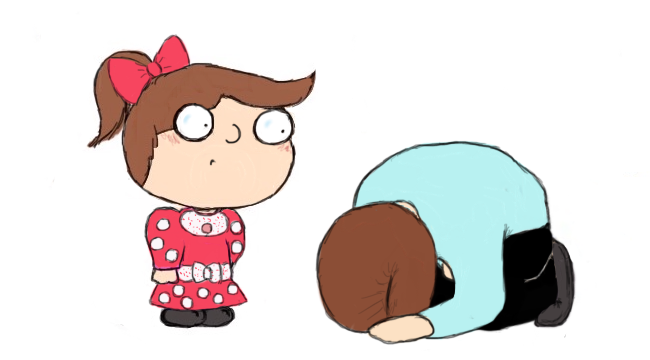
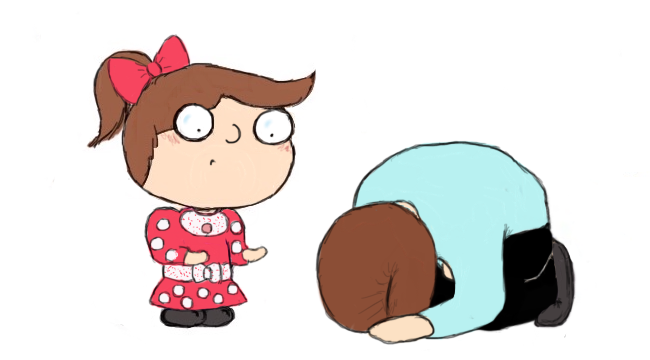 I’d discovered a magic button that could instantly bring a grown man to his knees.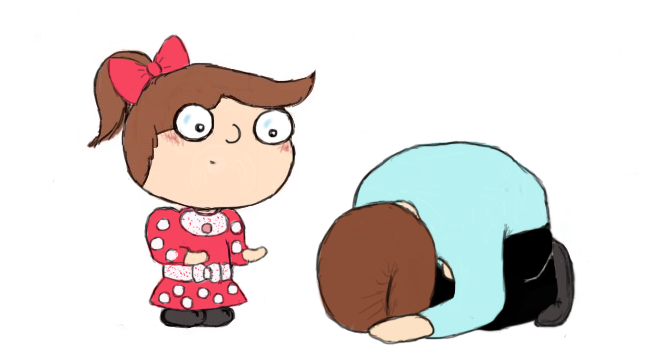
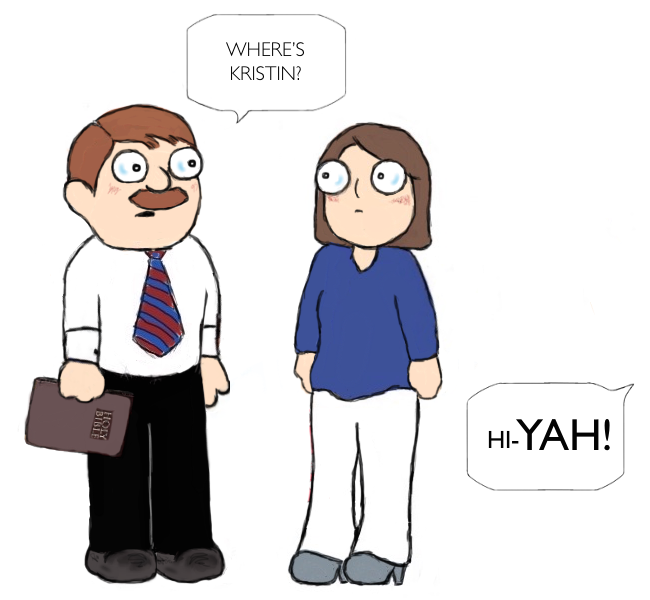
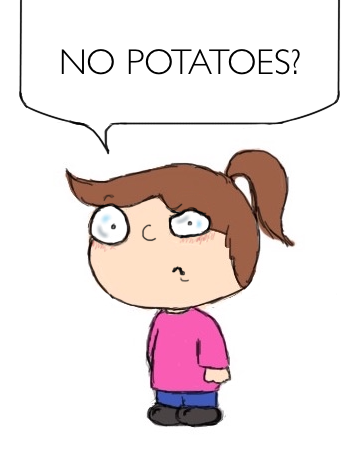



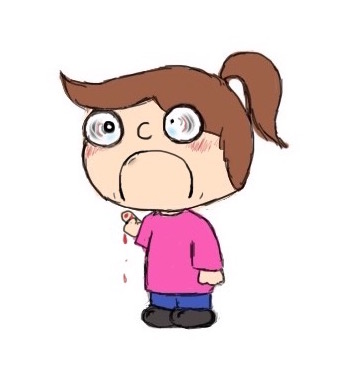
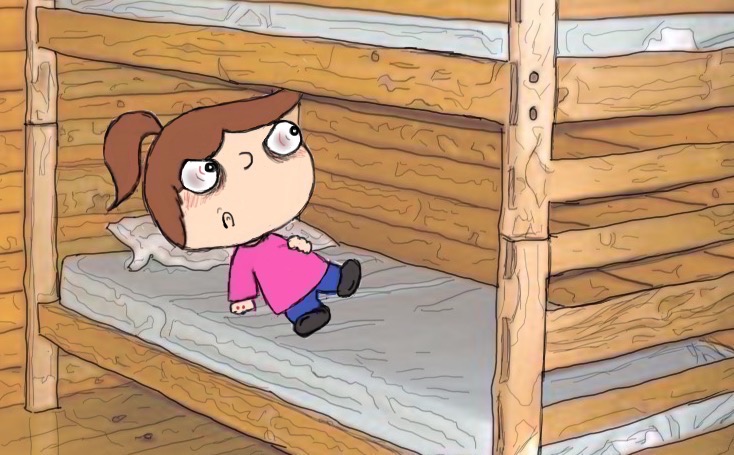
 One afternoon I happened upon a garter snake. I was delighted.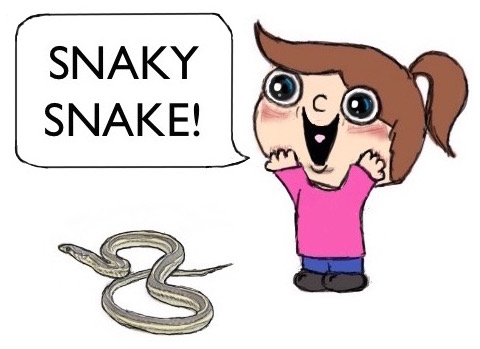
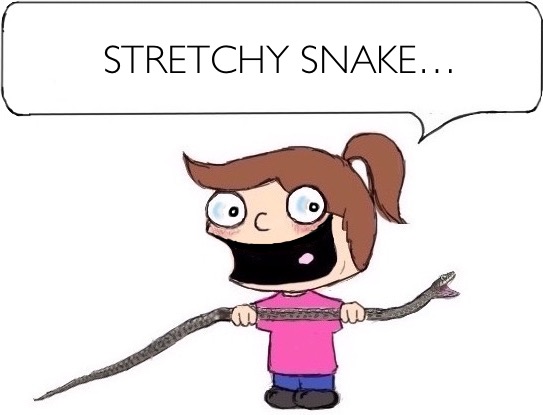
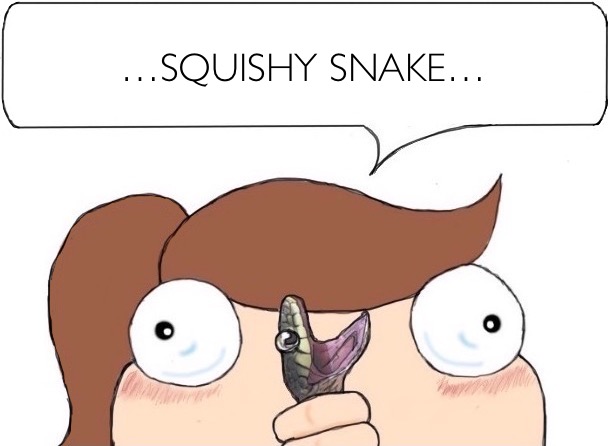
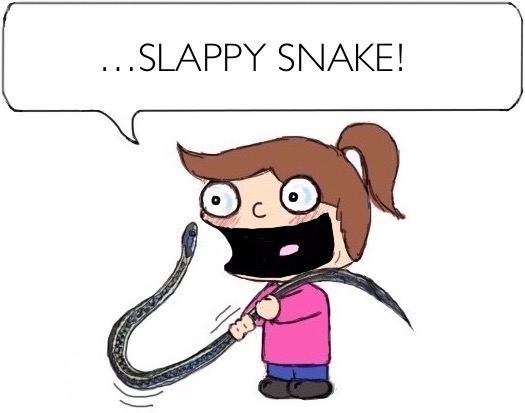
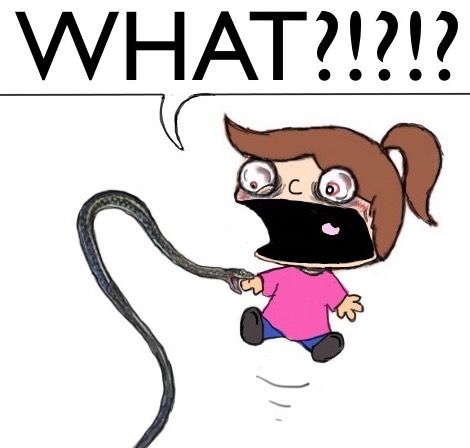
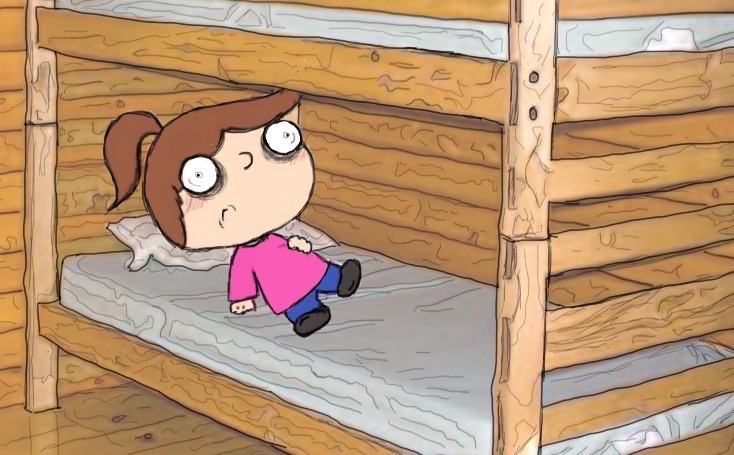
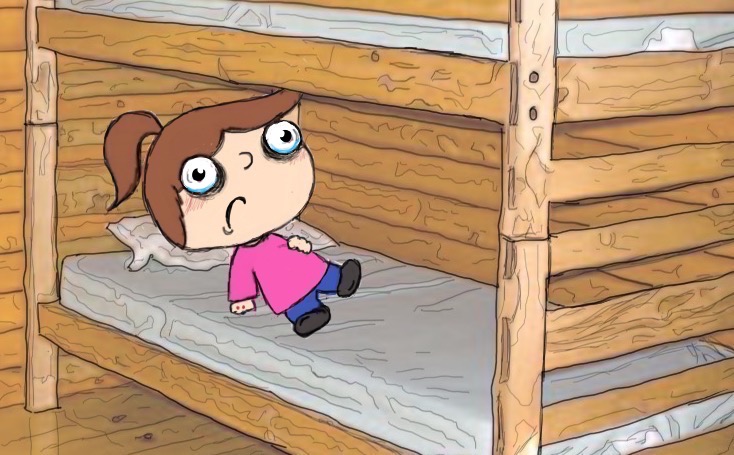
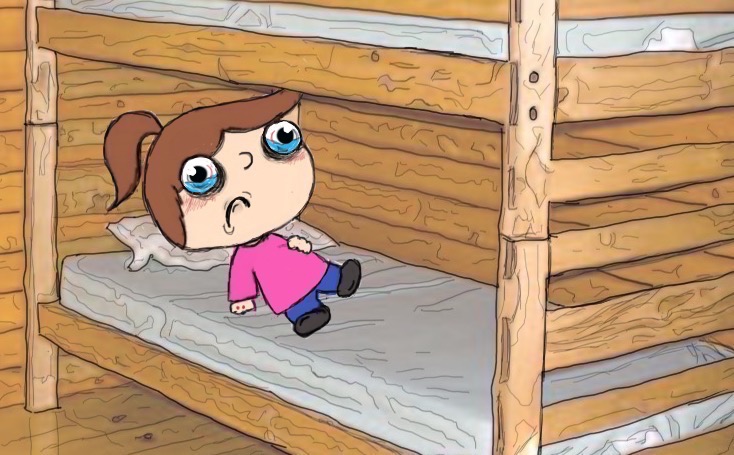
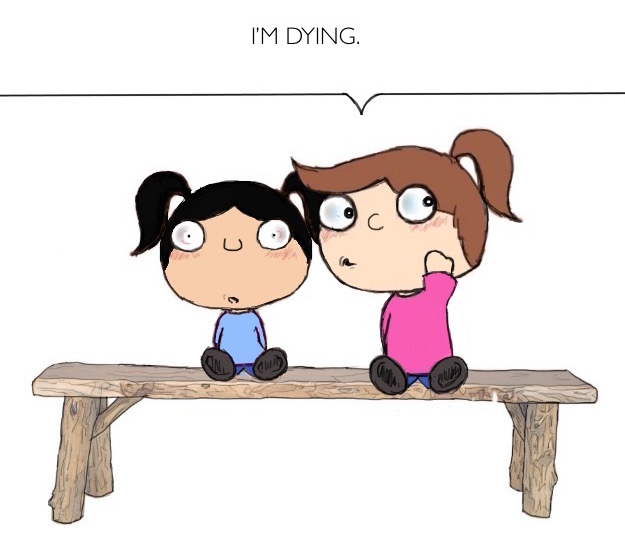
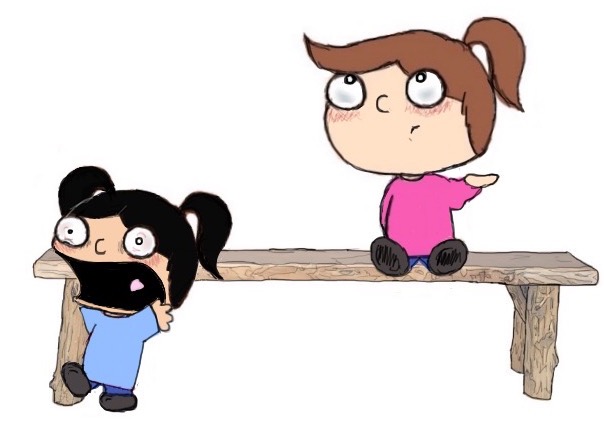
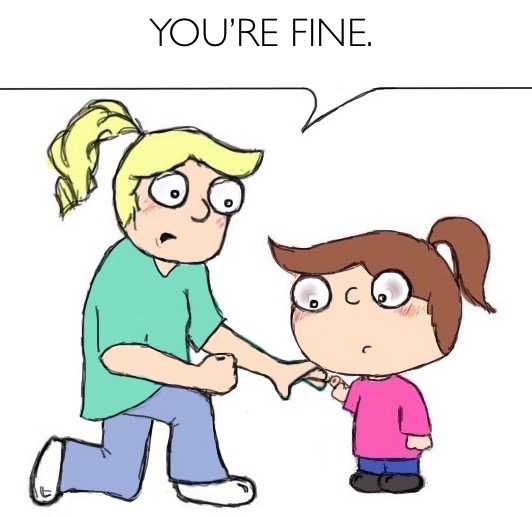
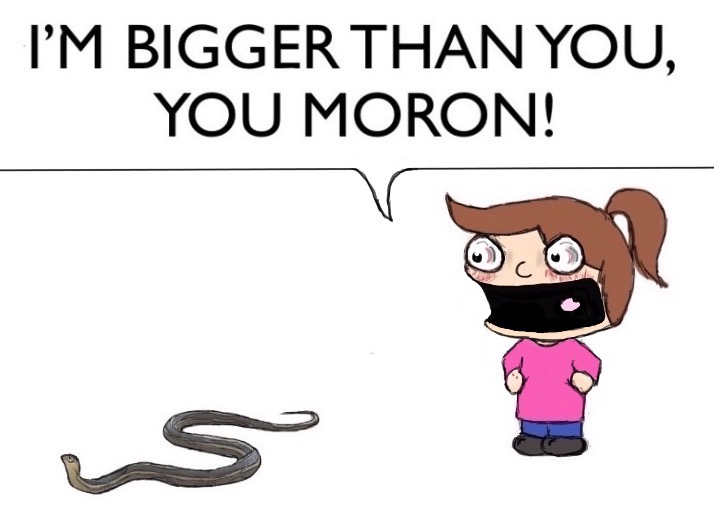 As the puncture wounds hemorrhaged twin fountains of blood, a shadow of doom crossed my soul. I’d seen old Westerns and PBS nature specials. I knew what happened to people who got bit by snakes.